

Executive Accountability: The Essential Attribute of Great Leaders
There is one quality that is rarely discussed when people describe great executives, managers, or employees:
The ability to get things done.
Knowledge, intelligence, experience, communication skills, and leadership ability are all valuable. But they have limited value if a person consistently fails to follow through.
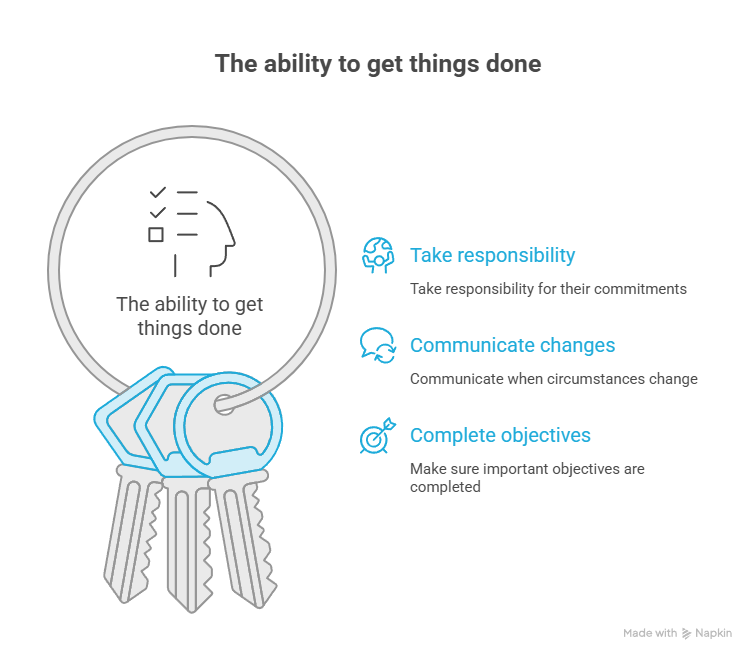
Great executives and managers can be counted on to do what they say they will do. They take responsibility for their commitments, communicate when circumstances change, and make sure important objectives are completed.
This is the foundation of executive accountability.
Accountability isn’t simply about correcting mistakes or disciplining employees. It is about creating a culture where people understand that commitments matter, deadlines matter, and completing important work matters.
What Is Executive Accountability?
Executive accountability means taking ownership of decisions, commitments, responsibilities, and results.
An accountable executive:
- Does what they say they will do
- Sets clear expectations
- Establishes deadlines
- Tracks important commitments
- Communicates problems early
- Takes responsibility for outcomes
- Follows through on promises
- Holds others to reasonable standards
- Looks for solutions rather than excuses
The same principle applies throughout an organization.
A business becomes stronger when employees can confidently say:
“If I agree to do something, I will either complete it or communicate immediately if I need help.”
That simple standard can transform execution.
Integrity Is Demonstrated Through Action
Ethics and integrity are often discussed as abstract qualities.
In business, however, you can see them in behavior.
One of the simplest ways to evaluate someone’s reliability is to look at whether they consistently do what they say they will do.
If an employee repeatedly promises to complete a project but misses deadlines without communicating, that behavior provides useful information.
Likewise, an executive who expects employees to meet deadlines but consistently misses their own commitments is sending a contradictory message.
Leadership is demonstrated by example.
Employees pay attention to what leaders actually do—not just what leaders say.
Three Levels of Team Players
Not every employee contributes at the same level. One useful way to evaluate team members is to consider three broad performance levels.
Level 3: Willing Team Players
These employees are generally willing to help but require significant guidance and training.
They may need:
- Detailed instructions
- Frequent supervision
- Regular feedback
- Additional skills training
- Clear procedures
They can become valuable employees with the right development and support.
Level 2: Independent Team Players
These employees can work independently with minimal supervision.
They generally:
- Understand their responsibilities
- Complete routine assignments
- Solve common problems
- Require less management attention.
- Work effectively with colleagues.
They may not naturally become leaders, but they can be extremely dependable contributors.
Level 1: Exceptional Team Players
These are the people who consistently raise the organization’s performance.
They don’t simply complete assigned tasks.
They:
- Inspire others
- Take initiative
- Solve problems
- Improve systems
- Help other employees succeed.
- Take ownership
- Complete important projects
- Identify opportunities
- Naturally assume leadership responsibilities.
With the right development and training, these individuals can become managers, executives, and key Drivers within the organization.
Identifying the Drivers in Your Organization
Drivers are different from employees who perform their regular responsibilities.
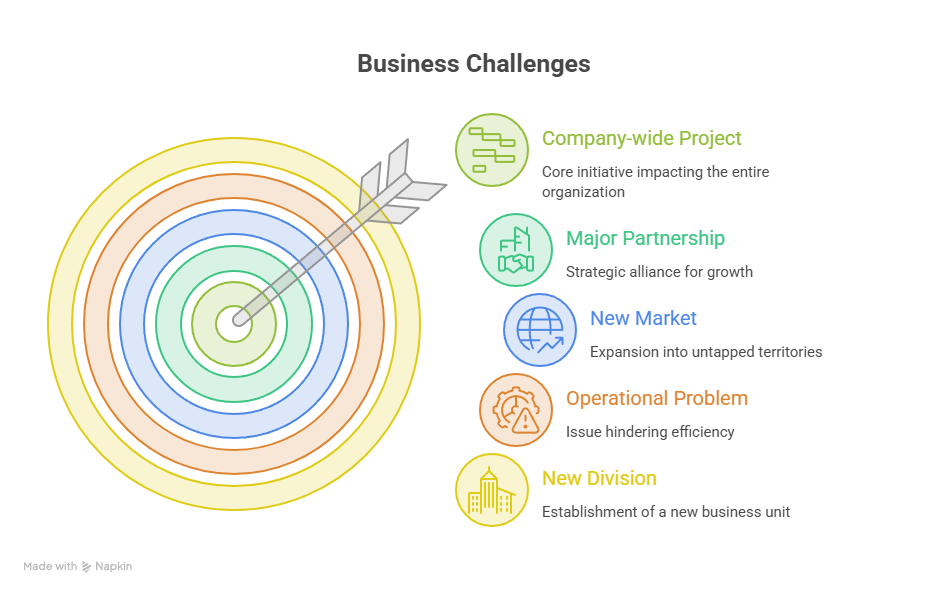
A Driver becomes particularly visible when something significant needs to happen.
For example:
- A major client needs to be won.
- A new division needs to be launched.
- A major operational problem needs to be solved.
- A new market needs to be developed.
- A company-wide project needs to be completed.
- A major partnership needs to be negotiated.
When the stakes are high, Drivers don’t wait for someone to push them.
They see the challenge, take responsibility, and move forward.
They don’t need constant encouragement or recognition.
Once one major challenge is completed, they’re already thinking about the next one.
Responsibility Is the Foundation of Execution
Many people have goals.
Far fewer consistently execute them.
Someone may say:
“I want to grow my business.”
But what happens next?
Do they create a plan?
Do they establish deadlines?
Do they complete the necessary steps?
Do they measure progress?
Do they follow through when obstacles appear?
This is where employee accountability and personal responsibility become critical.
A goal without execution is simply an intention.
A goal supported by specific actions, deadlines, and follow-through becomes a plan.
The Difference Between Intention and Completion
There is an enormous difference between saying:
“I’ll get that done.”
and actually completing it.
Successful organizations create systems that move commitments from intention to completion.
For example:
Goal → Action → Owner → Deadline → Follow-Up → Completion
Every significant project should have a clearly defined owner and completion date.
Without those elements, responsibility can become unclear.
Why Completion Standards Matter
One of the most important principles in creating an accountable workplace is establishing a consistent standard for completion.
If a manager repeatedly accepts unfinished work without addressing it, employees eventually learn that deadlines aren’t particularly important.
The standard becomes:
“It’s okay if I don’t finish.”
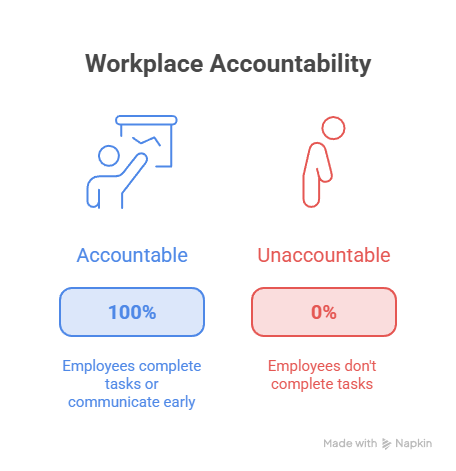
The opposite standard creates a stronger culture:
“If I agree to complete something, I am responsible for getting it done or communicating early when I need assistance.”
This does not mean employees should be punished whenever something goes wrong.
It means incomplete work should be noticed, discussed, corrected, and learned from.
Accountability Is Not the Same as Punishment
A strong accountability system should not be built around fear.
The objective isn’t to create employees who are afraid of making mistakes.
The objective is to create employees who take responsibility for their commitments.
There is an important difference between:
“You failed, so you’re in trouble.”
and:
“This wasn’t completed. What prevented completion, and what do we need to change so it gets done?”
The second approach encourages problem-solving.
Employees should feel comfortable saying:
- “I need more information.”
- “I underestimated the time required.”
- “Another department blocks me.”
- “I need additional training.”
- “I won’t be able to meet the deadline.”
- “Here’s what I recommend we do.”
Early communication allows managers to intervene before a small problem becomes a major one.
Put Important Commitments in Writing
One practical way to improve employee accountability is to document important assignments.
Whenever possible, establish:
What needs to be done → Who owns it → When it is due → What success looks like
Written expectations eliminate ambiguity.
For example:
Project: Launch new customer onboarding process
Owner: Operations Manager
Deadline: October 15
Success Standard: Process documented, tested, and ready for staff training
Now everyone understands the assignment.
Use Follow-Up Systems
Accountability doesn’t mean assigning someone a task and forgetting about it until the deadline.
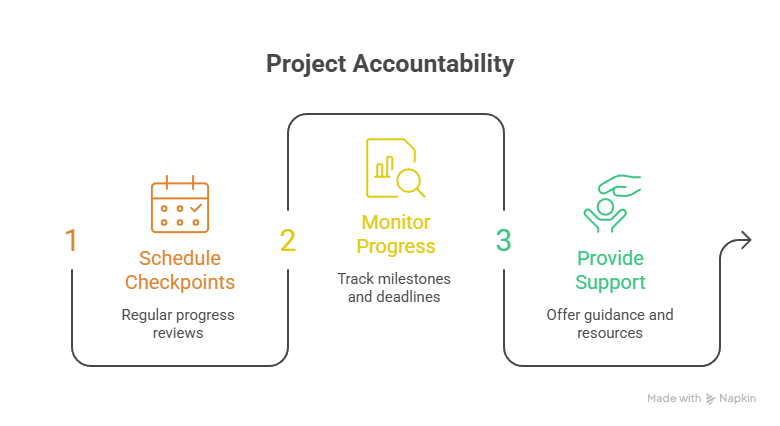
For longer projects, schedule regular checkpoints.
Suppose a project requires six weeks.
Instead of waiting six weeks to discover whether it is finished, schedule:
- Week 2: Progress review
- Week 4: Progress review
- Week 5: Risk assessment
- Week 6: Completion review
At each checkpoint, ask:
“Are you on track to complete this on time?”
and:
“Do you need any help to get it completed?”
This approach combines accountability with support.
Create a Culture of Getting Things Done
A strong execution culture starts with leadership.
Executives should demonstrate the behavior they expect from everyone else.
If you want employees to:
- Meet deadlines
- Keep commitments
- Follow procedures
- Communicate problems
- Finish projects
then leadership must demonstrate those same behaviors.
One of the simplest tools is a daily to-do list.
At the beginning or end of each day, identify:
- What must be completed today?
- What is most important?
- What has been carried over?
- What deadlines are approaching?
- Who is waiting for something from me?
- What commitments have I made?
Then track completion.
Measure Completion, Not Just Activity
Being busy isn’t the same as being productive.
An employee can attend meetings, answer emails, make phone calls, and work all day without completing the most important objective.
A stronger organization measures outcomes.
Instead of asking:
“Were you busy today?”
ask:
“What important outcomes were completed today?”
Useful measurements might include:
- Projects completed on time
- Customer issues resolved
- Sales targets achieved
- Production targets reached
- Tasks completed
- Training milestones achieved
- Quality standards maintained
What gets measured becomes easier to manage.
Recognize People Who Follow Through
Accountability shouldn’t focus exclusively on problems.
Recognize employees who consistently:
- Meet deadlines
- Keep commitments
- Solve problems
- Help teammates
- Take initiative
- Complete difficult projects
- Communicate clearly
- Improve systems
Recognition reinforces the behavior you want repeated.
It also shows employees that reliability and execution are valued within the organization.
What to Do When Someone Cannot Complete a Commitment
Sometimes a person genuinely cannot complete an assignment.
That doesn’t automatically mean they lack integrity.
Unexpected circumstances happen.
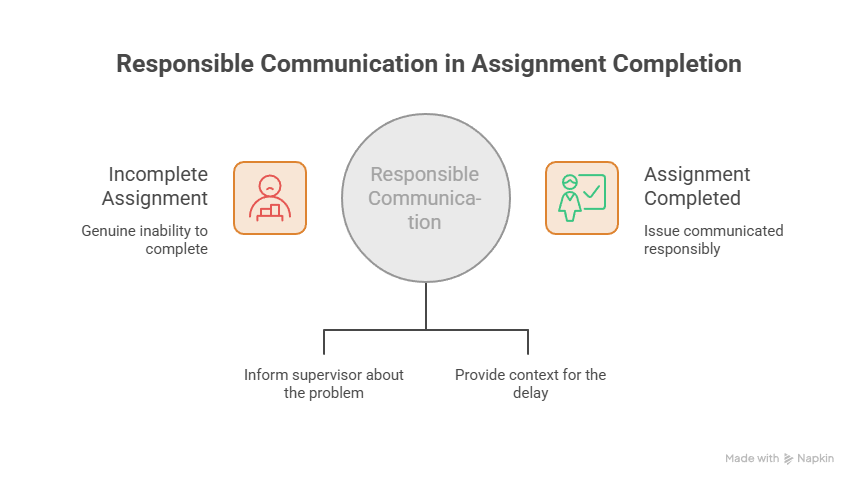
The important question is whether the employee communicates the issue responsibly.
A good response might be:
“I won’t be able to complete this by Friday because the data from the finance department hasn’t arrived. I’ve already contacted them, and I expect to have it Monday. Here’s what I can complete in the meantime.”
That’s very different from saying nothing and missing the deadline.
Accountability includes communicating before the deadline when circumstances change.
Develop Employees Through Training
A person cannot consistently perform responsibilities they have never been properly trained to handle.
This is why staff training should be connected directly to accountability.
Employees need to understand:
- What is expected
- How to perform the task
- What quality looks like
- What decisions they can make
- When to ask for help
- How deadlines are established
- How performance is measured
Training creates capability.
Accountability creates follow-through.
Together, they create stronger execution.
A Simple Accountability Framework
Businesses can implement a straightforward system using six steps:
1. Define the Outcome
Clearly explain what needs to be accomplished.
2. Assign Ownership
One person should be clearly responsible for the result.
3. Set a Deadline
Establish a specific completion date.
4. Establish Checkpoints
Review progress before the final deadline.
5. Remove Obstacles
Provide resources, information, or training when needed.
6. Confirm Completion
Don’t assume the work is finished. Verify the result.
This creates a repeatable process for executive accountability and organizational execution.
The Personal Accountability Challenge
This principle doesn’t apply only to employees.
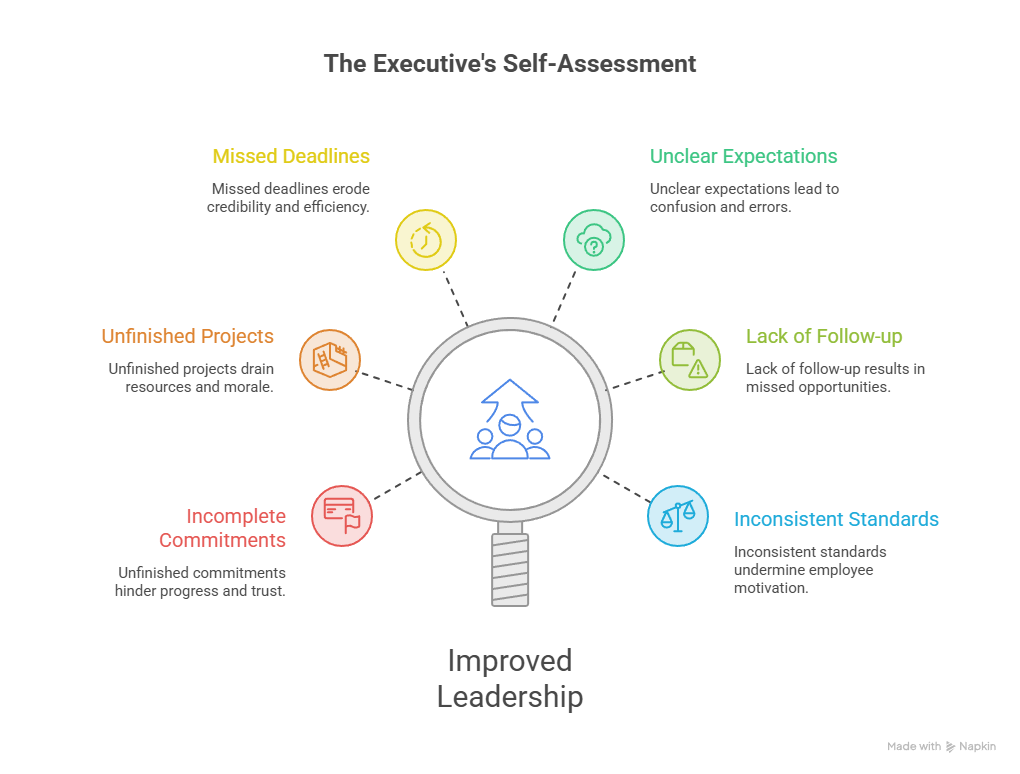
Executives and business owners should examine their own behavior first.
Ask yourself:
- What commitments have I made that remain incomplete?
- What projects have I allowed to remain unfinished?
- What deadlines have I repeatedly moved?
- Have I clearly communicated expectations?
- Have I followed up on important assignments?
- Am I holding employees to standards I don’t follow myself?
- What unfinished work is consuming my attention?
Make a list.
Then start completing it.
Finishing unfinished commitments can create a surprising sense of control and momentum.
The Ultimate Standard: Do What You Say
A successful organization is built on trust.
Trust develops when people consistently demonstrate that their word means something.
When someone says:
“I’ll have it done Friday,”
the team should be able to reasonably expect that it will be done Friday—or that the person will communicate beforehand if something prevents completion.
That simple standard can improve:
- Leadership
- Employee performance
- Teamwork
- Customer service
- Project management
- Business operations
- Organizational trust
Ultimately, getting things done is more than a productivity strategy.
It is a way of operating.
Final Thoughts
Great executives aren’t simply intelligent, experienced, or charismatic.
They are dependable.
They take responsibility.
They make decisions.
They establish clear expectations.
They follow through.
And they develop people who can do the same.
Executive accountability begins with the individual and spreads throughout the organization. When leaders consistently demonstrate responsibility and employees understand that commitments matter, the entire company becomes better able to execute its goals.
Don’t build a culture where people stay busy.
Build a culture where people finish what matters.
Frequently Asked Questions
What is executive accountability?
Executive accountability is leaders’ responsibility for their decisions, commitments, performance, and organizational results. It includes setting expectations, following through, communicating problems, and owning outcomes.
Why is accountability important in leadership?
Accountability builds trust and improves execution. When leaders consistently keep commitments and address problems constructively, employees are more likely to do the same.
How can I improve employee accountability?
Clearly define responsibilities, assign ownership, establish deadlines, schedule follow-ups, provide necessary training, and measure completed outcomes. Employees should also be encouraged to communicate early when they encounter obstacles.
Is accountability the same as employee discipline?
No. Accountability is primarily about ownership and follow-through. Discipline may become necessary in certain situations, but a healthy accountability system focuses first on clarity, support, communication, and improvement.
What makes someone a strong team player?
A strong team player reliably completes responsibilities, communicates effectively, supports colleagues, takes initiative, and contributes to achieving broader organizational goals. Exceptional team players can eventually develop into managers and executives.
What is a Driver in a business?
A Driver is someone who takes initiative and responsibility for significant outcomes. Drivers can operate with limited supervision, solve major problems, pursue opportunities, and help move the organization toward its larger goals.
How can managers improve project completion?
Managers can improve completion by defining the desired outcome, assigning one clear owner, setting deadlines, scheduling checkpoints, identifying obstacles early, and confirming that the final result meets expectations.
What should an employee do if they cannot meet a deadline?
They should communicate as early as possible, explain the obstacle, provide a revised completion date, and propose a solution. Early communication allows managers to make adjustments before the problem becomes more serious.
How does staff training support accountability?
Training ensures employees have the knowledge and skills necessary to perform their responsibilities. When employees understand both what is expected and how to accomplish it, they are better positioned to take ownership of results.
How can business owners lead by example?
Business owners can lead by example by keeping their own commitments, maintaining a written to-do list, meeting deadlines, communicating openly, taking responsibility for mistakes, and consistently following the standards they expect from employees.
What is the most important lesson about getting things done?
Do what you say you will do. When circumstances make that impossible, communicate early, take responsibility, ask for help when needed, and create a new plan to complete it. This simple principle can strengthen both personal and organizational success.
Ready to put these principles into your business? Call Vida Puodziunas at 813-906-0477 with any questions. And if you want a clearer picture of where your growth potential lies, ask about our free business analysis. It costs you nothing but a conversation.