

Every successful business eventually faces an important choice: continue growing or slowly fall behind. While many business owners believe maintaining the status quo is the safest approach, the reality is quite different. In today’s competitive marketplace, standing still often means losing ground.
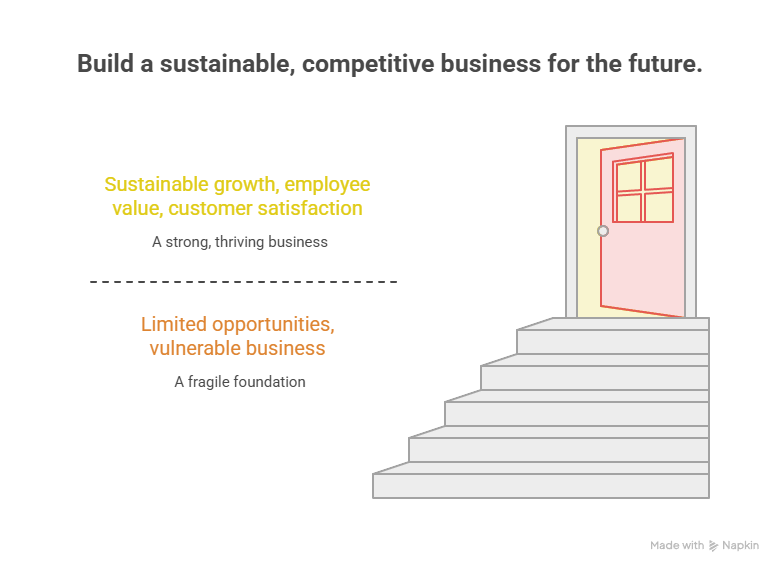
Business expansion is not simply about increasing profits or becoming the biggest company in the industry. It is about protecting the future of the organization, creating more opportunities for employees, delivering greater value to customers, and building a business that remains competitive for years to come.
Whether you own a small business, a growing company, or a large enterprise, continuous improvement and strategic expansion are essential for long-term success.
Why Business Expansion Is Necessary
Markets never remain static.
Customer expectations evolve.
Technology advances.
Competitors introduce new products and services.
Inflation increases operating expenses.
If your business does not continue improving while everything around it changes, it gradually becomes less competitive.
Many business owners believe maintaining current sales is enough. However, rising costs eventually reduce profit margins, making it increasingly difficult to invest in employees, marketing, innovation, and customer service.
Expansion allows businesses to stay ahead of these challenges by creating new revenue streams and improving operational efficiency.
Simply put:
Businesses are either expanding or contracting. Very few remain truly unchanged.
Inflation Makes Growth Essential
Inflation affects every business regardless of industry.
The costs of wages, utilities, rent, insurance, equipment, transportation, raw materials, and professional services continue to rise year after year.
If revenue remains flat while expenses increase, profitability naturally declines.
Strategic business growth offsets these rising costs by increasing sales, improving productivity, and creating greater operating efficiency.
Companies that consistently pursue growth are better positioned to absorb economic fluctuations without sacrificing quality or profitability.
Business Expansion Reduces Risk
One of the greatest advantages of business expansion is diversification.
Businesses that depend on one product, one service, one customer, or one location face greater risk when market conditions change.

Expansion creates multiple sources of income that strengthen financial stability.
Examples include:
- Opening additional locations
- Expanding into new geographic markets
- Introducing complementary products or services
- Serving new customer segments
- Developing online sales channels
- Creating recurring revenue through memberships or subscriptions
Diversification helps protect the organization when one part of the business experiences temporary challenges.
Instead of relying on a single revenue source, successful businesses create multiple opportunities for growth.
Stay Ahead of the Competition
Competition never stops.
Every day, businesses invest in better marketing, improved technology, stronger customer experiences, and innovative products.
Organizations that stop improving eventually lose customers to competitors who continue evolving.
Business expansion is not only about increasing market share—it is about remaining relevant.
Successful companies continuously ask:
- How can we better serve our customers?
- What new solutions can we provide?
- Which markets remain underserved?
- How can we improve efficiency?
- What competitive advantage can we create?
Leaders who consistently ask these questions position their organizations for sustained success.
Business Growth Attracts Top Talent
Talented employees are naturally attracted to organizations that offer opportunity, career advancement, and a compelling vision for the future.
People want to contribute to businesses that are growing, investing, and improving.
An expanding organization creates:
- Leadership opportunities
- Career progression
- Professional development
- Greater job security
- Higher employee engagement
- Increased motivation
Employees become energized when they feel they are helping build something meaningful.
Conversely, organizations that remain stagnant often struggle to attract and retain high-performing professionals.
Growth creates optimism.
Optimism creates momentum.
Momentum attracts exceptional people.
Expansion Improves Operational Efficiency
As businesses grow, they often benefit from economies of scale.
Larger purchasing volumes frequently reduce supplier costs.
Shared systems increase efficiency.
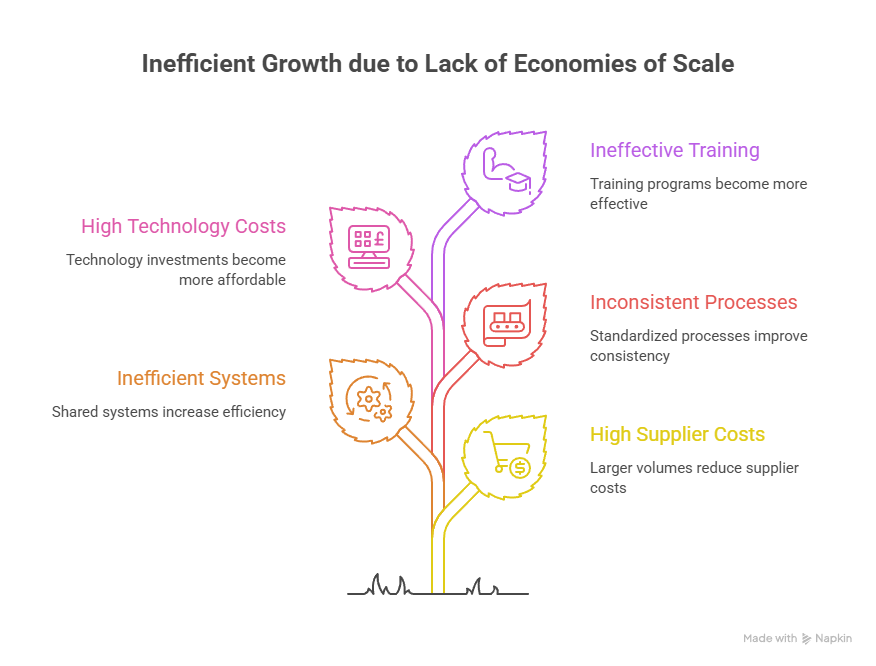
Standardized processes improve consistency.
Technology investments become more affordable.
Training programs become more effective.
Operational improvements reduce the cost of delivering products and services while increasing profitability.
These additional profits allow businesses to reinvest in innovation, employee development, customer service, and future expansion.
Growth creates a positive cycle of continuous improvement.
Expansion Strengthens Your Business Purpose
Every successful business exists to solve problems and improve people’s lives.
Whether serving customers, creating employment opportunities, supporting local communities, or developing innovative products, businesses create value through their ability to help others.
Expansion allows organizations to extend that positive impact.
Growing businesses can:
- Serve more customers.
- Create additional jobs.
- Support more families.
- Invest in employee development.
- Contribute more to their communities.
- Build stronger partnerships.
- Increase economic opportunity.
Growth is not simply about earning more—it is about making a greater contribution.
Build a Culture of Continuous Improvement
Businesses that embrace expansion develop cultures focused on innovation, learning, and accountability.
Instead of accepting “good enough,” employees are encouraged to continually improve systems, processes, products, and customer experiences.
Leaders ask:
- What can we improve?
- What bottlenecks can we eliminate?
- How can we deliver greater value?
- Which systems need updating?
- Where are new opportunities emerging?
Continuous improvement creates organizations that adapt quickly to changing markets and remain competitive over the long term.
Growth Requires Strategic Leadership
Business expansion should never be reckless.
Successful growth requires planning, measurement, and disciplined execution.
Strong leaders monitor key performance indicators (KPIs), including:
- Revenue growth
- Profit margins
- Customer acquisition
- Customer retention
- Employee productivity
- Operating costs
- Cash flow
- Customer satisfaction
- Market share
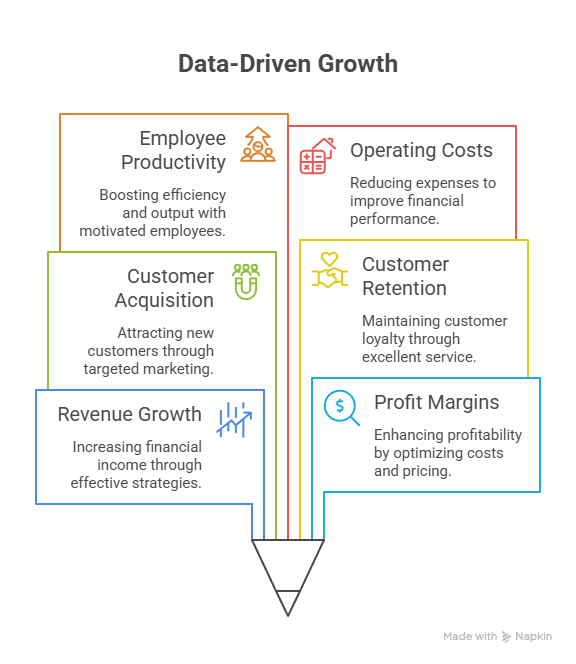
By making data-driven decisions, executives reduce unnecessary risk while maximizing opportunities for sustainable expansion.
Growth should always be intentional—not accidental.
Improve Every Area of the Business
One practical strategy for achieving sustainable business growth is continuous incremental improvement.
Imagine improving every major area of your business by just 10% every quarter.
Focus on areas such as:
- Marketing
- Sales
- Customer service
- Operations
- Production
- Employee development
- Financial management
- Cash reserves
- Technology
- Leadership
Small improvements made consistently create significant long-term expansion through the power of compounding.
Over several years, these incremental gains can completely transform an organization.
Common Mistakes That Prevent Business Expansion
Many businesses fail to grow because they become comfortable with current success.
Some of the most common obstacles include:
- Complacency
- Fear of change
- Lack of strategic planning
- Failure to invest in employees
- Poor financial management
- Ignoring customer feedback
- Resistance to innovation
- Ineffective leadership
- Inconsistent marketing
Recognizing these challenges early allows leaders to address them before they slow business growth.
Final Thoughts
Business expansion is not an optional ambition reserved for large corporations—it is a necessity for every organization that wants to remain competitive and financially healthy.
As markets evolve, customer expectations change, and operating costs increase, businesses must continually improve to maintain their position.
Strategic growth strengthens profitability, reduces risk, attracts talented employees, improves operational efficiency, and enables organizations to make a greater impact on customers and communities.
The businesses that thrive over the long term are not necessarily the largest or oldest.
They are the ones that continually learn, adapt, innovate, and expand with purpose.
Whether you operate a local business or a growing enterprise, commit to improving every area of your organization each quarter.
Small, consistent improvements today become the foundation for extraordinary business success tomorrow.
Frequently Asked Questions
1. Why is business expansion important?
Business expansion helps organizations remain competitive, increase profitability, reduce financial risk, attract talented employees, and adapt to changing market conditions. Continuous growth supports long-term stability and business success.
2. How does business growth improve profitability?
Business growth increases revenue while creating opportunities to improve operational efficiency. Larger purchasing power, streamlined systems, and higher productivity reduce operating costs and improve profit margins over time.
3. What are the benefits of expanding a business?
Expanding a business allows companies to reach new customers, diversify income sources, improve brand recognition, create additional jobs, strengthen customer relationships, and build greater resilience during economic downturns.
4. How can small businesses achieve sustainable growth?
Small businesses can achieve sustainable growth by improving marketing, enhancing customer service, investing in employee development, adopting efficient systems, monitoring key performance indicators (KPIs), and making continuous incremental improvements across every area of the business.
5. What prevents businesses from expanding successfully?
Common barriers include complacency, fear of change, poor leadership, inadequate planning, weak financial management, failure to innovate, insufficient employee development, and ignoring customer needs. Businesses that proactively address these challenges are more likely to achieve long-term success.
Business growth doesn’t happen by accident—it happens through the right strategy, strong leadership, and intentional action. Whether you’re ready to expand your operations, increase profitability, or reach new markets, having a clear plan is the key to sustainable success.
If you’re ready to take your business to the next level, schedule a complimentary Business Consultation and Analysis with Vida Puodziunas at 813-906-0477. Together, we’ll identify opportunities for growth and build a strategy for long-term success.