
A Critical Quality Every Successful Leader Needs
One of the most important factors in business growth and long-term success is the ability of owners, executives, and managers to effectively delegate responsibilities. As a company expands, leaders cannot continue handling every task themselves. Sustainable growth requires capable people who can take ownership of key roles and produce consistent results.
However, delegation is often more challenging than it appears.
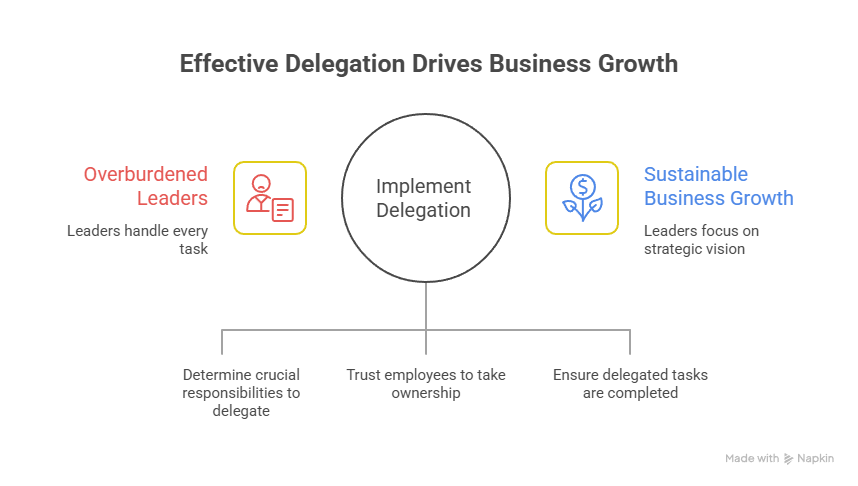
Most business owners can easily define the duties and responsibilities of a position. The difficult part is identifying the mindset and qualities that make someone truly successful in that role. Many leaders struggle to explain why they excel at a particular position because some of their most valuable skills have become second nature.
One of these critical skills is the ability to predict consequences.
Why Predicting Outcomes Matters
The ability to predict outcomes is often overlooked, yet it is one of the strongest indicators of leadership, responsibility, and sound decision-making.
Some people may call it “common sense,” but in reality, it is much more than that. Successful individuals consistently evaluate the likely outcomes of their actions before making decisions. They consider both short-term and long-term effects and take steps to avoid preventable problems.
Employees and leaders who can predict consequences are often the ones who:
- Meet deadlines consistently
- Solve problems before they escalate
- Make informed business decisions
- Protect company resources
- Build trust with customers and team members
- Create sustainable growth
In contrast, many recurring business and personal problems stem from a failure to anticipate outcomes.
The Link Between Predicting Outcomes and Business Decision-Making
Every business decision creates a chain reaction.
For example, an executive may decide to reduce the marketing budget to cover payroll expenses. At first, this appears to solve an immediate problem. However, without considering future consequences, the company may experience fewer leads, declining sales, reduced revenue, and even greater financial pressure.
This is a common example of poor strategic planning.
Successful leaders understand that short-term fixes can often create long-term challenges. By evaluating potential outcomes beforehand, they make smarter decisions that support business stability and growth.
Everyday Examples of Predicting Outcomes
The ability to predict outcomes extends far beyond the workplace.
Imagine noticing that your vehicle’s tires have very little tread left. Rather than replacing them immediately, you decide to use them for a few more weeks. Then, during a heavy rainstorm, your car hydroplanes and crashes into a utility pole.
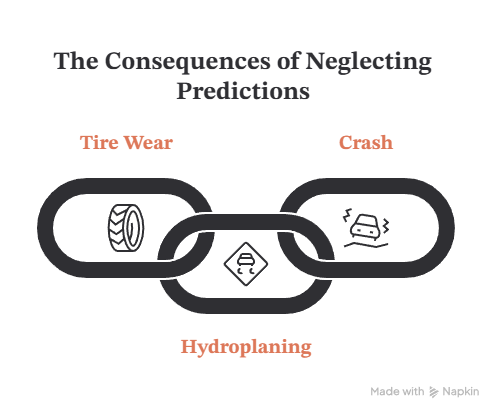
What seemed like a small cost-saving decision resulted in far greater expenses, inconvenience, and risk.
This illustrates how failing to anticipate outcomes be it positive or negative can create unnecessary problems in every area of life.
Why Many Business Owners Struggle to Delegate
Many entrepreneurs remain deeply involved in daily operations because they believe no one else can perform the job as effectively as they can.
In many cases, the issue is not a lack of talent among employees. Instead, leaders may not have identified whether team members possess the ability to anticipate outcomes and make responsible decisions independently.
The good news is that predicting outcomes is a skill that can be developed through training, mentorship, experience, and accountability.
When employees learn to think ahead, evaluate risks, and understand the impact of their actions, they become more reliable and capable of handling greater responsibilities.
Signs of Strong Predictive Thinking in Business
Organizations that consistently predict outcomes often display the following characteristics:
Financial Management
- Professional and accurate accounting systems
- Strong cash reserves
- Minimal or manageable debt
- Consistent financial planning
Strategic Planning
- Marketing campaigns launched well before major events
- Continuous investment in marketing and business development
- Careful tracking of key performance indicators (KPIs)
- Data-driven decision-making
Customer Experience
- High-quality products and services
- Strong customer retention rates
- Exceptional customer service
- Positive brand reputation
Operational Excellence
- Reliable systems and processes
- Proactive problem-solving
- Consistent delivery of results
- Effective delegation and accountability
Personal Signs of Someone Who Predicts Outcomes Well
The ability to foresee outcomes is equally evident in personal life.
Individuals who demonstrate strong predictive thinking often:
- File taxes on time
- Maintain emergency savings and investments
- Follow a personal budget
- Dress appropriately for professional situations
- Keep vehicles and equipment well-maintained
- Arrive early for appointments and work
- Follow through on commitments
- Complete projects they start
- Maintain healthy communication with family and friends
- Show concern for the well-being of others
- Experience fewer recurring personal crises
- Contribute positively to their environment
- Set and pursue meaningful goals
These habits reflect responsibility, discipline, and awareness of future outcomes.
Predicting Outcomes Does Not Mean Avoiding Risk
A common misconception is that people who predict outcomes avoid taking risks.
In reality, successful leaders and entrepreneurs often take significant risks. The difference is that they take calculated risks.
They analyze potential rewards and possible downsides before acting. If a negative outcome occurs, they are not caught off guard because they have already considered the possibility and prepared accordingly.
Strategic risk-taking is a hallmark of successful business leadership.
The Connection Between Responsibility and Predicting Outcomes
From experience, responsibility and predicting outcomes go hand in hand.
When people are young or inexperienced, they often act without fully considering the results of their decisions. Most of us have learned valuable lessons from mistakes made during this stage of life.
As individuals gain experience, training, and knowledge, they become better at evaluating outcomes. This increased awareness naturally raises their level of responsibility.
The more accurately a person can predict consequences, the more trustworthy they become in both business and personal situations.
How to Develop Predictive Thinking Skills
Businesses can strengthen this skill throughout their organization by:
- Encouraging strategic planning
- Reviewing past successes and failures
- Teaching employees to evaluate risks before acting
- Discussing potential outcomes during decision-making
- Holding team members accountable for results
- Tracking performance metrics and trends
- Developing leadership and critical-thinking skills
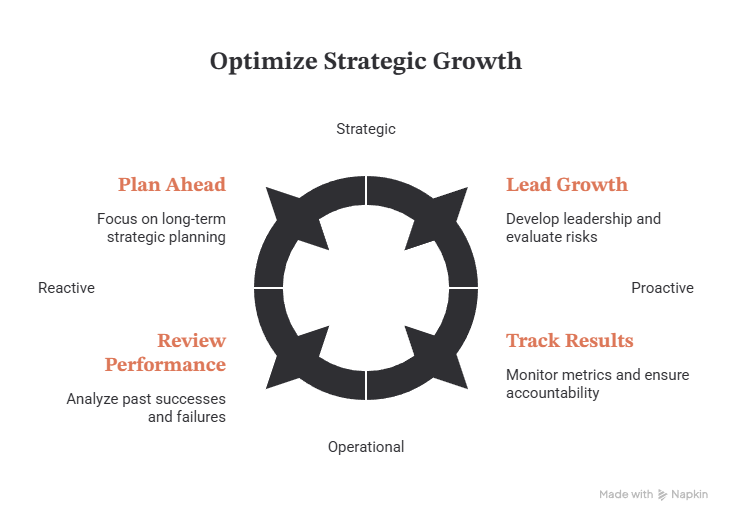
Over time, these practices help create a culture of responsibility, foresight, and continuous improvement.
Final Thoughts
The ability to predict outcomes is one of the most valuable qualities a person can develop. It influences leadership effectiveness, delegation, decision-making, problem-solving, financial management, and personal responsibility.
Whether you are a business owner, executive, manager, or employee, improving your ability to anticipate outcomes can dramatically increase your effectiveness and success.
As an exercise, share this article with your staff, leadership team, or family members. Discuss how predicting consequences affects daily decisions and long-term results. The conversation may provide valuable insights and help everyone develop a stronger sense of responsibility and foresight.
In business and in life, success often belongs to those who think beyond the immediate moment and understand the consequences of today’s decisions.
If you found this article helpful or would like to learn more about how to improve and grow your business, we would be happy to help. For questions or to schedule a business evaluation, please contact Dr. Vida Puodziunas at 813-906-0477.