

Future planning begins with understanding that every decision we make today shapes the life we will experience tomorrow. While many people focus only on immediate comfort, entertainment, or solving today’s problems, those who consistently achieve long-term success think differently. They recognize that effective future planning means today’s actions create tomorrow’s opportunities.
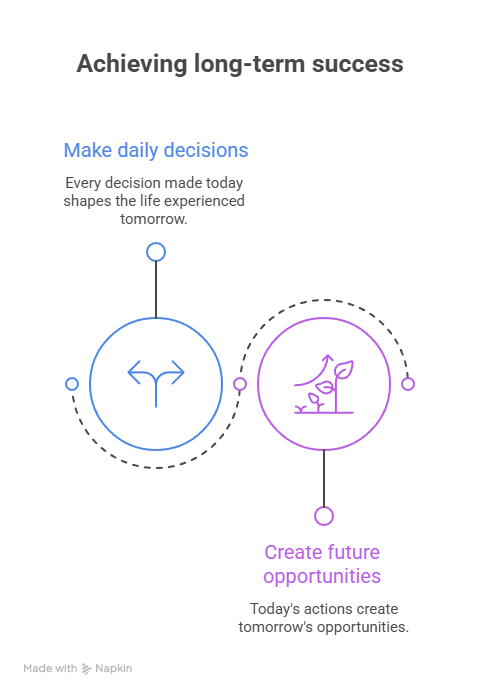
This doesn’t mean sacrificing all enjoyment in the present. Rather, it means making intentional decisions that balance today’s happiness with tomorrow’s rewards. The people who build successful businesses, healthy relationships, financial security, and fulfilling careers are typically those who practice future planning.
The choices you make today determine whether you spend your future enjoying opportunities—or solving preventable problems.
Living for the Present vs. Living for the Future
People generally fall somewhere along a spectrum between living for the present and planning for the future.
Neither extreme is ideal.
Living entirely for today can lead to impulsive decisions, financial stress, and missed opportunities. Living only for the future may cause unnecessary stress and prevent you from appreciating life’s meaningful moments.
The most successful people develop the ability to enjoy today while consistently investing in tomorrow.
Future planning is about making decisions that create long-term stability without losing sight of the present.
Characteristics of People Who Live Only for the Present
Individuals who focus almost exclusively on immediate gratification often make decisions based on current emotions instead of future consequences.
Common behaviors include:
- Making impulsive decisions without considering long-term consequences.
- Spending money freely without building savings or emergency funds.
- Avoiding difficult work that produces future rewards.
- Prioritizing entertainment over education and personal development.
- Starting projects but failing to finish them.
- Delaying important responsibilities until they become urgent.
- Frequently changing plans based on how they feel.
- Ignoring health concerns until serious problems develop.
- Focusing only on immediate enjoyment instead of long-term goals.
While this lifestyle may feel enjoyable in the short term, it often creates unnecessary stress later through financial hardship, missed career opportunities, declining health, and unstable relationships.
Characteristics of People Who Practice Future Planning
People who consistently plan for the future make decisions by asking one important question:
“How will this choice affect my life months or years from now?”
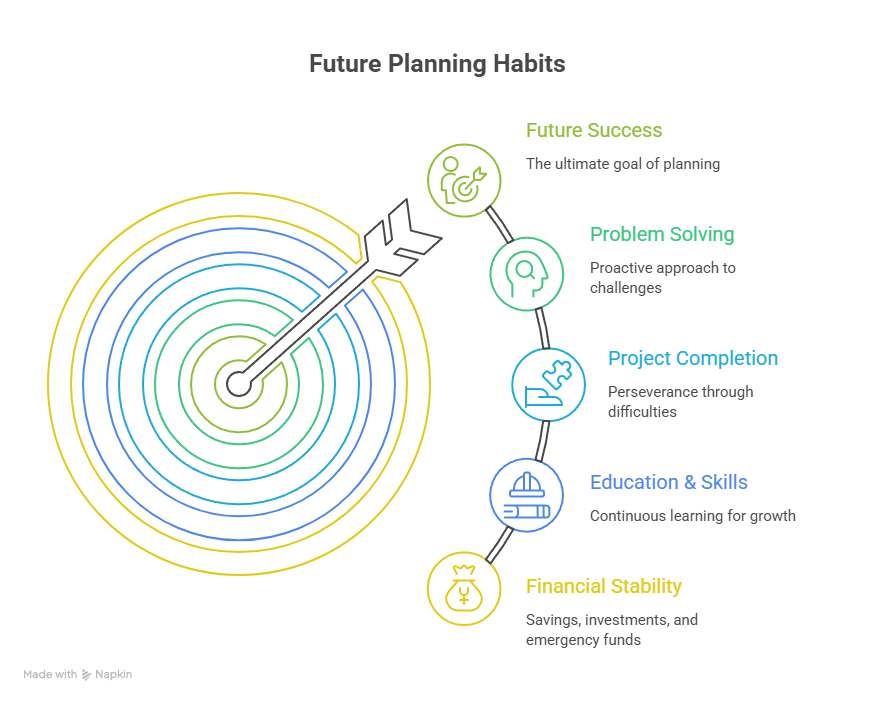
Their habits often include:
- Setting clear personal and professional goals.
- Saving and investing regularly.
- Building emergency funds.
- Exercising and maintaining healthy lifestyles.
- Continuing education and skill development.
- Finishing projects despite temporary challenges.
- Solving problems before they become crises.
- Creating productive daily routines.
- Developing long-term business and career plans.
- Nurturing meaningful relationships through trust and consistency.
These habits require discipline today but usually produce greater freedom, stability, and opportunity in the future.
Why Future Planning Leads to Long-Term Success
One of the greatest differences between highly successful people and those who continually struggle is their ability to delay immediate gratification.
Successful entrepreneurs invest profits back into their businesses before increasing personal spending.
Professionals continue learning long after formal education ends.
Athletes train daily even when motivation is low.
Investors consistently save for decades rather than seeking quick financial gains.
Each of these examples reflects the same principle:
Small, consistent actions performed today create extraordinary results over time.
Future planning transforms ordinary habits into exceptional outcomes.
Financial Planning Creates Freedom
Financial security rarely happens by accident.
It is usually the result of consistent planning and disciplined decision-making.
People who think ahead often:
- Create monthly budgets.
- Build emergency savings.
- Invest for retirement.
- Avoid unnecessary debt.
- Spend intentionally.
- Plan major purchases carefully.
These habits reduce financial stress while creating greater flexibility for future opportunities.
Instead of reacting to financial emergencies, future-focused individuals prepare for them.
Build Habits That Shape Your Future
Long-term success is built through daily habits rather than occasional bursts of motivation.
Healthy routines create predictable results over time.
Examples include:
- Reading every day.
- Exercising consistently.
- Managing your calendar.
- Reviewing personal goals weekly.
- Learning new professional skills.
- Practicing gratitude.
- Following through on commitments.
- Continuously improving systems and processes.
Every positive habit becomes an investment in your future.
The compound effect of these small actions often produces remarkable results over the years.
Finish What You Start
One common characteristic of successful individuals is persistence.
Many people become excited when beginning new projects but lose motivation once difficulties appear.
Future-focused individuals understand that meaningful achievements require consistency.
Completing important projects develops confidence, builds credibility, and creates momentum for future success.
Progress often belongs to those who continue after excitement has faded.
Solve Problems Before They Grow
Future planning includes addressing small problems before they become major obstacles.
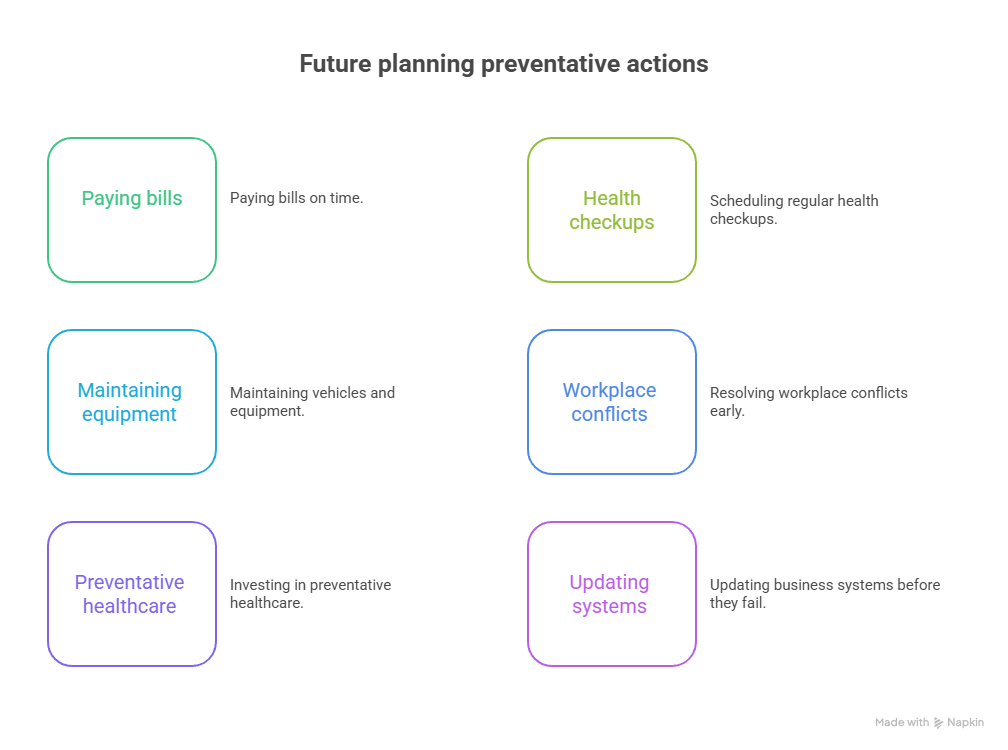
Examples include:
- Paying bills on time.
- Scheduling regular health checkups.
- Maintaining vehicles and equipment.
- Resolving workplace conflicts early.
- Investing in preventative healthcare.
- Updating business systems before they fail.
Preventative action almost always costs less than emergency correction.
Successful people recognize that solving today’s small issues protects tomorrow’s opportunities.
Build Relationships That Last
Long-term success is rarely achieved alone.
Strong personal and professional relationships provide encouragement, opportunities, mentorship, referrals, and support during difficult times.
Future-focused people invest time in:
- Building trust.
- Keeping promises.
- Communicating honestly.
- Resolving disagreements respectfully.
- Supporting others’ success.
- Maintaining meaningful friendships.
Relationships become valuable assets that grow stronger over time when consistently nurtured.
Don’t Let Today’s Problems Steal Tomorrow
Many people become trapped because their attention remains fixed on current difficulties.
Debt.
Health issues.
Workplace conflict.
Financial stress.
Relationship problems.
While these situations deserve attention, they should not permanently consume your focus.
Handle problems quickly and effectively.
Reduce debt.
Repair relationships.
Improve your health.
Resolve conflicts.
Then shift your attention back toward creating the future you want.
Success comes from spending more time building opportunities than continually reacting to problems.
The Best Approach Is Balance
Future planning should never eliminate the enjoyment of today.
Life is meant to be experienced, not postponed indefinitely.
Spend time with family.
Celebrate achievements.
Take vacations.
Enjoy hobbies.
Practice gratitude.
At the same time, continue investing in your health, finances, career, relationships, and personal growth.
Balance creates both happiness today and security tomorrow.
Practical Ways to Start Future Planning Today
You don’t need to make dramatic changes overnight.
Small, consistent improvements often produce the greatest long-term results.
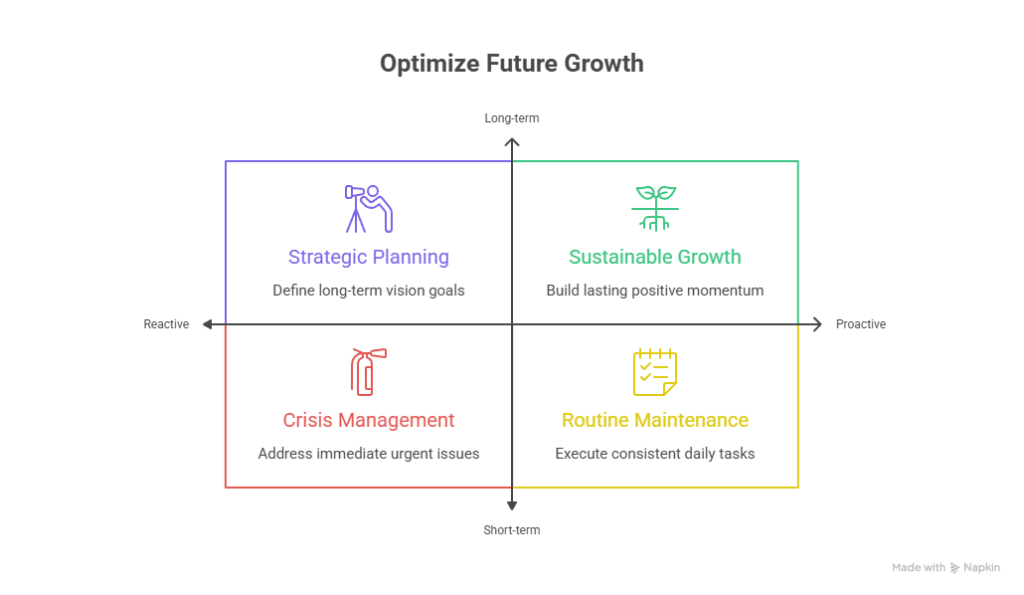
Start by:
- Writing down your one-year, five-year, and ten-year goals.
- Creating a monthly savings plan.
- Investing in your education.
- Developing healthier daily habits.
- Building meaningful professional relationships.
- Eliminating unnecessary debt.
- Scheduling regular reviews of your progress.
- Solving problems before they become emergencies.
- Taking one action every day that benefits your future.
These simple habits create momentum that compounds over time.
Final Thoughts
Future planning is one of the most valuable habits you can develop.
The choices you make today influence your financial security, career opportunities, physical health, relationships, and overall quality of life for years to come.
People who consistently achieve long-term success are rarely the luckiest—they are usually the ones who make intentional decisions, stay committed to meaningful goals, and continually invest in their future.
At the same time, remember that success is not about sacrificing every moment of today.
The most fulfilling life combines responsible planning with present enjoyment.
Live well today.
Prepare wisely for tomorrow.
By balancing both, you’ll build a life filled with opportunity, stability, purpose, and lasting success.
Frequently Asked Questions
1. Why is future planning important?
Future planning helps you make better decisions today that lead to long-term financial security, career growth, healthier habits, and stronger relationships. It reduces uncertainty and prepares you for future opportunities and challenges.
2. How does future planning contribute to long-term success?
Future planning encourages consistent goal setting, disciplined habits, smart financial decisions, and continuous personal development. Over time, these actions compound to create greater stability, achievement, and long-term success.
3. What are the signs that someone is living only for the present?
People who live only for the present often make impulsive decisions, spend without saving, delay important responsibilities, avoid long-term commitments, neglect personal development, and prioritize immediate pleasure over future benefits.
4. Can you enjoy the present while planning for the future?
Yes. The healthiest approach is balance. You can enjoy life today while still saving money, investing in your education, maintaining your health, and working toward long-term goals that create a better future.
5. What are the first steps to becoming more future-focused?
Start by setting clear goals, creating a budget, building an emergency fund, developing productive daily habits, investing in continuous learning, solving problems promptly, and reviewing your progress regularly. Small, consistent actions today create meaningful results tomorrow.
The future doesn’t happen by chance—it is built through intentional planning and consistent action. Whether you’re planning for business growth, financial success, or a better quality of life, having the right strategy today creates the opportunities of tomorrow.
If you’re ready to develop a clear plan for long-term success, schedule a complimentary Business Consultation and Analysis with Vida Puodziunas at 813-906-0477. Together, we’ll create a roadmap that helps you achieve your goals with confidence.