

Many entrepreneurs believe that success comes solely from working longer hours. While hard work is essential, working harder and smarter means directing your effort into business models that create greater results with less ongoing effort. Understanding how different industries operate can help you build a business that is easier to scale, more profitable, and capable of generating long-term wealth.
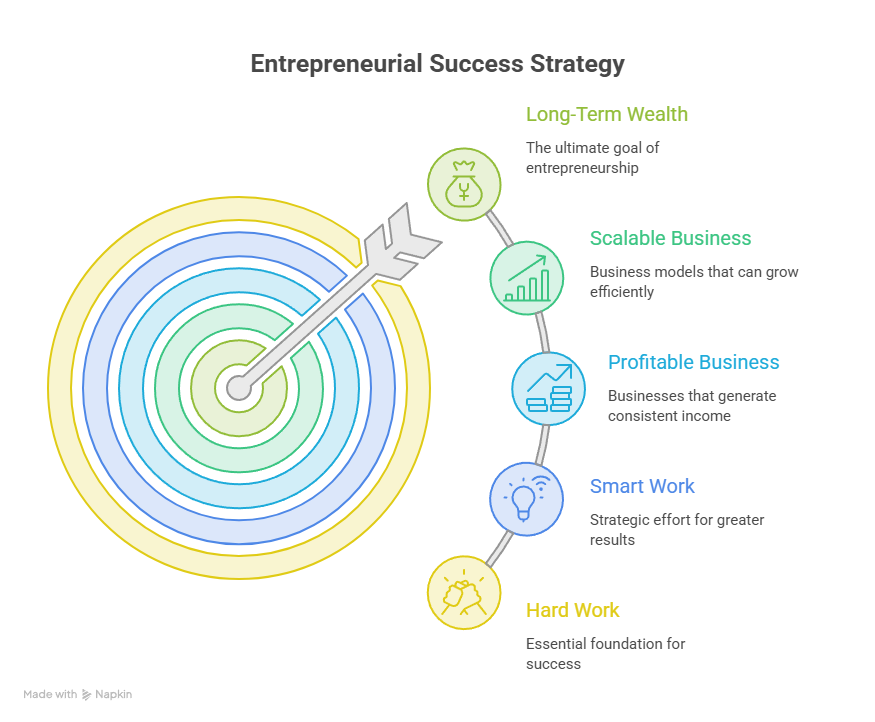
Making informed business decisions starts with understanding where opportunities exist. Before launching a company or expanding an existing one, it is valuable to understand the characteristics of the three major classes of industry. Each offers different levels of scalability, profitability, and long-term potential.
The Three Basic Classes of Industry
First Class of Industry: Natural Resources, Finance, and Banking
The first class of industry includes natural resources, commodities, currencies, banking, and financial services. These industries often generate significant wealth because they control valuable assets that are consistently in demand.
Examples include:
- Oil and gas
- Mining
- Forestry
- Agriculture
- Banking
- Investment firms
- Currency and financial markets
Many of the world’s wealthiest families built their fortunes through ownership of resources or financial institutions. These industries typically require substantial capital, expertise, and long-term planning, but they also provide tremendous opportunities for growth and wealth creation.
Second Class of Industry: Manufacturing Products
The second class of industry involves manufacturing products for businesses or consumers. Traditionally, manufacturing required large investments in factories, machinery, and labor. Today, however, technology has transformed this landscape.
Many successful entrepreneurs now build product-based businesses by outsourcing manufacturing and fulfillment to specialized companies around the world. Countries such as China, South Korea, Vietnam, and other manufacturing hubs enable startups to launch products with significantly lower upfront investment.
Popular examples include:
- Consumer products
- Private-label brands
- Software products
- Electronic devices
- Home goods
- Health and wellness products
Because products can often be manufactured repeatedly and sold at scale, this business model generally offers greater growth potential than businesses that rely entirely on personal labor.
Why Product Businesses Scale More Easily
Product businesses can often:
- Sell to thousands or millions of customers simultaneously.
- Automate fulfillment
- Expand internationally
- Build recurring revenue
- Increase profits without proportionally increasing labor.
This makes manufacturing and product-based companies highly attractive for entrepreneurs seeking business scalability.
Third Class of Industry: Service Businesses
The third class of industry consists of service-related businesses. This is where most people begin their entrepreneurial journey because they naturally start businesses based on skills they already possess.
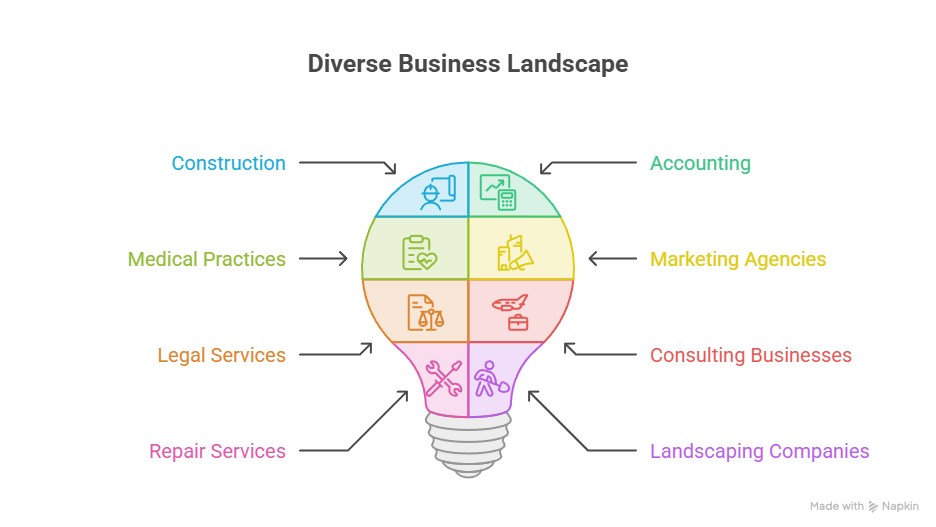
Examples include:
- Construction companies
- Accounting firms
- Medical practices
- Marketing agencies
- Legal services
- Consulting businesses
- Repair services
- Landscaping companies
Most educational systems prepare people for employment in service industries by teaching specific skills that are exchanged for hourly wages or salaries. As a result, many entrepreneurs recreate the profession they already know.
While service businesses can be highly profitable, they often face a common challenge—they depend heavily on people.
The Challenge of Scaling Service Businesses
Many service companies rely on highly skilled individuals whose expertise is difficult to duplicate.
For example:
- A renowned surgeon
- A master craftsman
- An elite consultant
- A gifted attorney
When service quality depends almost entirely on one individual’s expertise, expansion becomes much more difficult. Growth often slows because the owner becomes the bottleneck.
However, businesses that create standardized systems, documented procedures, and comprehensive training programs can overcome this limitation. Franchise organizations demonstrate this principle exceptionally well.
Companies such as restaurant chains, hotel groups, and home service franchises have scaled successfully because they transformed specialized knowledge into repeatable systems.
Combining Service and Product Businesses
One of the most effective business growth strategies is combining service businesses with complementary products.
Instead of relying solely on labor, entrepreneurs can create additional revenue streams by selling products that naturally support their existing services.
For example:
- A chiropractor selling wellness products
- A fitness coach offering supplements
- A contractor selling building materials
- A consultant offering online courses
- A marketing agency selling software subscriptions
This strategy increases revenue while reducing dependence on billable hours.
A Real-World Example
Early in my career, I built a successful fencing company. As demand increased, I noticed another opportunity.
Rather than only installing fences, I opened a lumber yard and began supplying fencing materials to other contractors. The business grew rapidly because we were serving both consumers and businesses.
Looking back, had I continued expanding, the logical next step would have been investing directly in forestry. That progression would have moved the business from a service company into manufacturing and eventually into the resource sector.
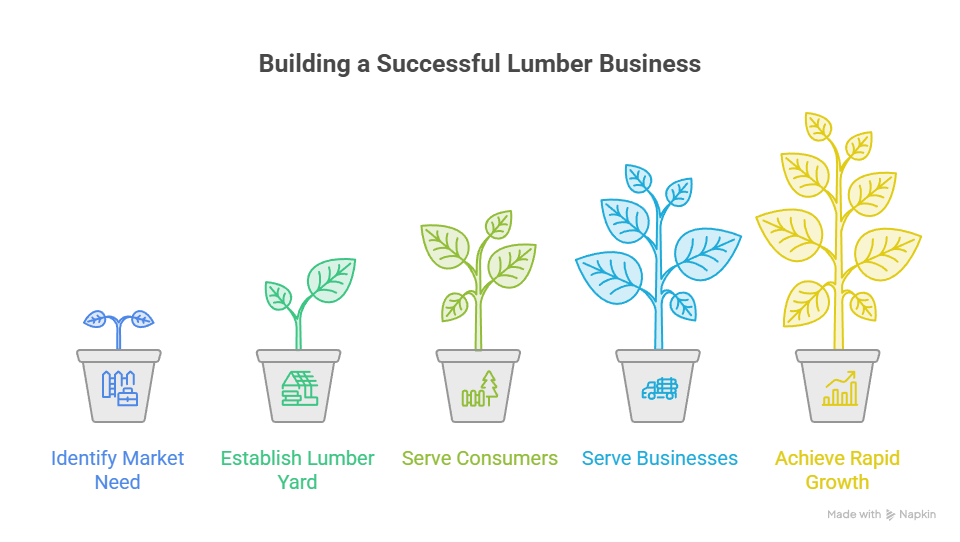
This illustrates an important principle: successful entrepreneurs often move upward through the different classes of industry as opportunities develop.
Modern Opportunities Through Outsourcing
The digital economy has made entering product-based businesses easier than ever.
Many entrepreneurs now:
- Design products online
- Use overseas manufacturers
- Sell through eCommerce platforms.
- Outsource shipping and logistics.
- Automate customer service
- Build global brands from home.
During the COVID-19 pandemic, countless individuals started online businesses after losing traditional employment. Many eventually discovered their online income exceeded their previous salaries, allowing them to leave the workforce permanently.
Technology has significantly lowered the barriers to entrepreneurship for those willing to learn.
Work Hard—But Build Smarter
Hard work is still one of the greatest competitive advantages. However, working harder without improving your business model often leads to exhaustion rather than expansion.
Instead of asking:
“How can I work more?”
Ask:
- How can this business become more scalable?
- Can I create systems that reduce my dependence?
- Can I add products that complement my services?
- Can I automate repetitive tasks?
- Can I build recurring revenue?
- Can I create multiple profit centers?
These questions help transform effort into long-term growth.
Build a Business That Creates Freedom
The ultimate objective isn’t simply to work harder—it’s to create a business that continues producing value whether you’re personally involved every hour or not.
By understanding the three classes of industry, building standardized systems, diversifying income streams, and focusing on business scalability, entrepreneurs can enjoy the satisfaction of working hard while achieving significantly greater results.
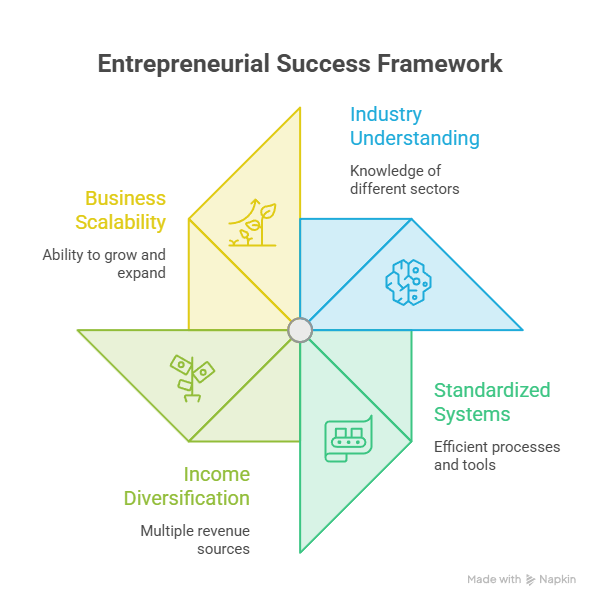
Success comes from combining disciplined effort with intelligent strategy. When you build a business designed to scale, every hour of work creates greater value, stronger profits, and more opportunities for long-term financial freedom.
Frequently Asked Questions
1. What are the three basic classes of industry?
The three primary classes are natural resources and finance, manufacturing, and service industries. Each has different levels of scalability, investment requirements, and profit potential.
2. Why are product businesses easier to scale than service businesses?
Products can be manufactured, automated, and sold repeatedly without requiring the owner’s direct involvement for every sale, making growth much easier.
3. Can a service business become scalable?
Yes. By creating systems, documenting procedures, training staff, and adding complementary products or recurring services, service businesses can achieve significant growth.
4. What is business scalability?
Business scalability is the ability to increase revenue without increasing costs or labor at the same rate. Scalable businesses grow more efficiently over time.
5. How can entrepreneurs work hard while achieving more?
Entrepreneurs achieve more by combining hard work with scalable systems, automation, multiple profit centers, and strategic business models that maximize the return on their effort.
Your Next Opportunity May Be Closer Than You Think
Reading about business growth is a great start—but the real value comes from applying the right strategies to your own business.
If this article gave you something to think about, we’d love to continue the conversation. SBM Business Centers is offering a complimentary Business Analysis and Consultation designed to help you uncover opportunities, identify areas that may be holding your business back, and create greater clarity around your next steps.
There’s no obligation—just an opportunity to take a fresh look at your business and see what may be possible.
If you have any additional questions or would like to schedule your complimentary consultation, contact Vida Puodziunas at 813-906-0477.