Why Employee Retention Matters More Than Ever
Today’s workforce has changed dramatically. Finding and keeping talented employees has become one of the biggest challenges business owners face. With more job opportunities available than qualified candidates in many industries, businesses can no longer rely on traditional hiring methods. Instead, organizations must focus on employee retention by creating workplaces where people genuinely want to build their careers.
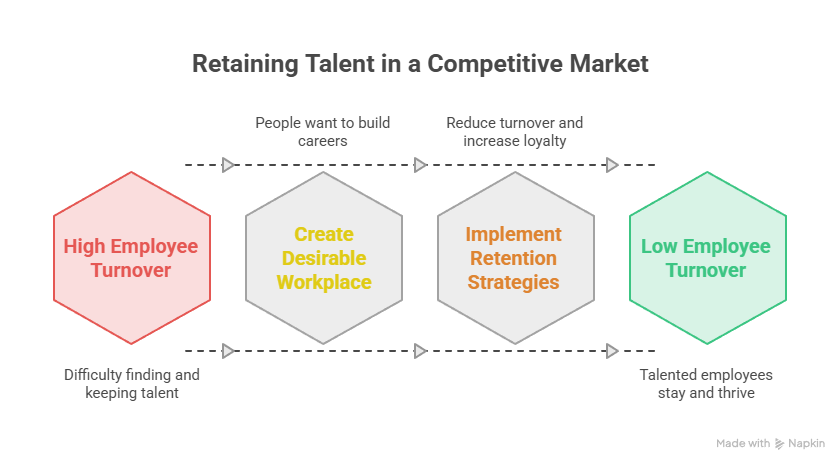
Just like modern marketing, recruiting has evolved. Instead of chasing candidates, businesses must attract them by showcasing their company culture, growth opportunities, leadership, and commitment to employee development. The strongest employers understand that attracting talent begins long before the interview.
Employees today aren’t simply searching for another job—they’re searching for purpose, career advancement, financial stability, and a workplace where they feel valued. When companies do not meet employee expectations, they risk losing valuable talent, increasing hiring costs, and slowing business growth.
The New Reality of Hiring
The employment market is more competitive than ever. In many regions, qualified candidates have multiple employment options. This gives job seekers greater bargaining power and raises their expectations.
Modern employees typically evaluate several factors before accepting an offer, including:
- Career advancement opportunities
- Company culture
- Leadership quality
- Professional development
- Flexible work environment
- Compensation and benefits
- Job security
- Work-life balance
Businesses that only compete on salary often lose employees to organizations offering stronger career development and better workplace experiences.
Staff Training Is the Foundation of Employee Retention
One factor consistently separates successful companies from those struggling with turnover:
Staff training
Many small business owners view training as an expense. Ultimately, it can deliver one of the strongest returns on investment for any company.
An effective training program helps employees:
- Learn faster
- Become more productive
- Build confidence
- Feel supported
- See long-term career opportunities.
When employees recognize that a company is investing in their future, they are far more likely to remain loyal.
Numerous workforce studies have shown that employees are significantly more likely to stay with organizations that provide continuous learning and career development opportunities.
Training should not end after onboarding. Continuous learning creates a culture of improvement that benefits both employees and the business.
Why Investing in Training Saves Money
The upfront investment often causes businesses to hesitate when it comes to employee development.
However, replacing an employee is often far more expensive than training one.
Employee turnover creates costs such as:
- Recruiting expenses
- Advertising job openings
- Interviewing candidates
- Lost productivity
- Additional management time
- New employee onboarding
- Customer service disruptions
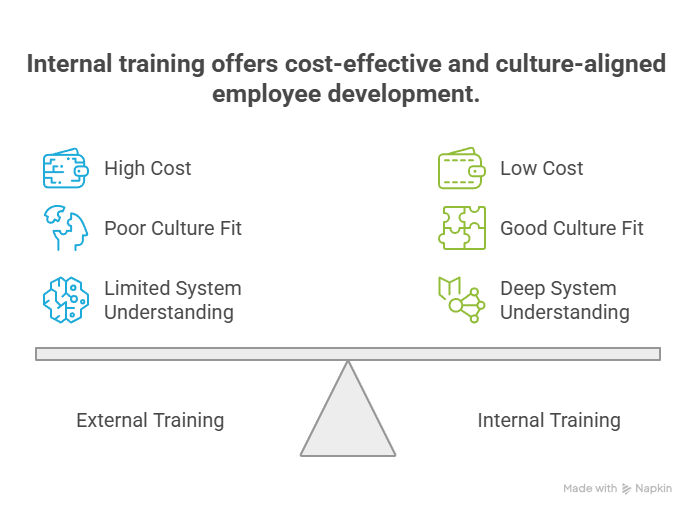
A strong staff training system reduces these hidden costs while improving operational efficiency.
Several business owners have reported increased profitability after implementing structured in-house training programs. Instead of relying on expensive industry veterans, they developed capable employees internally who understood their company culture, systems, and expectations.
The result was higher productivity, stronger teamwork, and lower payroll costs.
Hire for Potential, Train for Excellence
One common hiring mistake is placing too much emphasis on previous industry experience.
Experience certainly has value, but attitude, adaptability, and problem-solving ability often matter even more.
Many successful companies intentionally recruit individuals who demonstrate:
- Critical thinking
- Strong communication skills
- Willingness to learn
- Positive attitudes
- Reliability
- Adaptability
These employees frequently outperform experienced candidates because they are eager to learn the company’s systems without bringing habits from previous employers.
Using personality and aptitude assessments during the hiring process can also help identify candidates who are naturally suited to your business environment, allowing you to make better hiring decisions before investing in training.
Build a Career, Not Just a Job
Employees remain with organizations that provide a clear future.
Create career pathways by offering:
Professional Development
Provide ongoing education, certifications, workshops, and leadership development programs.
Internal Promotions
Whenever possible, promote from within. Employees become more engaged when they see advancement opportunities.
Coaching and Mentorship
Managers who coach rather than supervise help employees grow personally and professionally.
Recognition Programs
Celebrate achievements and reward outstanding performance regularly.
Clear Expectations
When employees have clarity about their goals, responsibilities, and growth opportunities, they are more likely to perform effectively.
Create a Workplace People Don’t Want to Leave
Salary is only one piece of employee retention.
A positive workplace culture encourages employees to stay long-term.
Businesses with strong cultures often experience:
- Higher productivity
- Better teamwork
- Greater customer satisfaction
- Reduced absenteeism
- Lower turnover
- Increased profitability
Employees want to feel respected, appreciated, and connected to the company’s mission.
Leaders who communicate openly, provide feedback, and recognize accomplishments build stronger relationships with their teams.
The Cost of Ignoring Employee Retention
Failing to invest in employee retention affects far more than staffing levels.
High turnover can lead to:
- Lower customer satisfaction
- Increased operating costs
- Reduced employee morale
- Slower business growth
- Lost institutional knowledge
- Inconsistent service quality
Businesses that continually replace employees often struggle to build momentum and scale effectively.
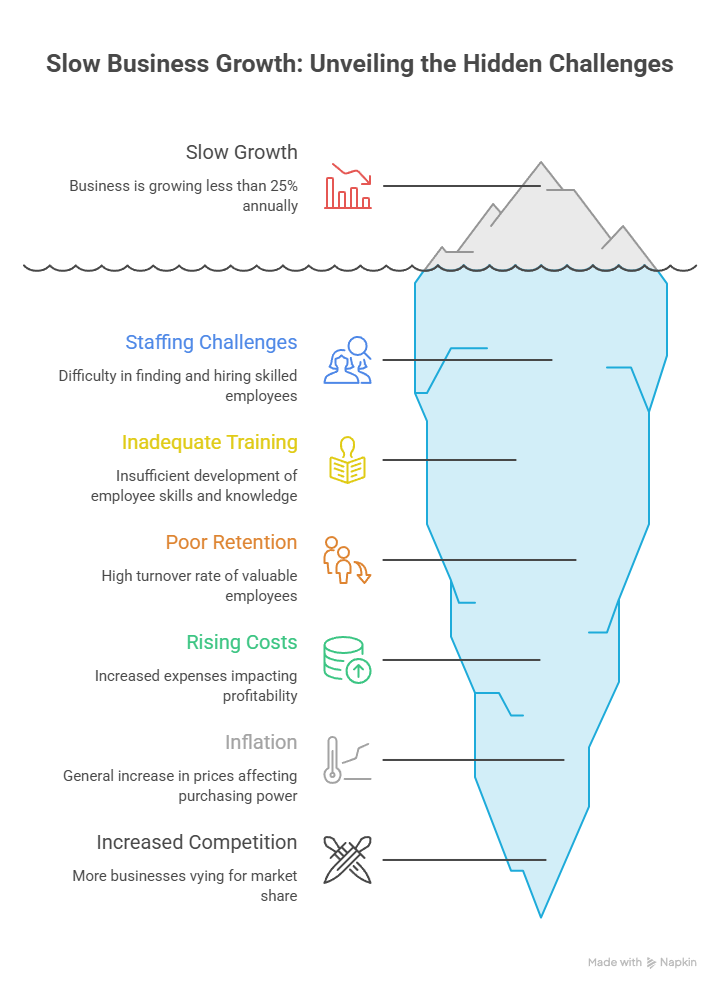
If your business is growing less than 25% annually, it may be time to evaluate whether staffing challenges, inadequate training, or poor retention strategies are limiting your growth. Rising operating costs, inflation, and increased competition make building a stable, skilled workforce more important than ever.
Final Thoughts
In today’s competitive employment market, employee retention is no longer optional—it is a strategic business advantage. Companies that invest in staff training, career development, and a positive workplace culture consistently outperform those focused solely on recruiting.
Rather than searching endlessly for the perfect employee, build systems that help ordinary people become exceptional team members. When employees feel valued, supported, and equipped to succeed, they stay longer, perform better, and contribute directly to long-term business growth.
Organizations that prioritize continuous learning, internal development, and strong leadership will not only retain top talent but also create a workforce capable of driving sustainable success for years to come.
Ready to Take the Next Step?
If you found this article helpful or have questions about how these strategies could apply to your business, we’d love to hear from you.
At SBM Business Centers, we believe every business has opportunities for growth—and sometimes it just takes a fresh perspective to uncover them. We’re currently offering a complimentary Business Analysis and Consultation to help you identify areas for improvement, discover new opportunities, and determine the next steps toward building a stronger, more profitable business.
To learn more or schedule your complimentary consultation, contact Vida Puodziunas at 813-906-0477.
We look forward to learning more about your business and helping you take the next step toward your goals.