

One of the greatest assets any business can possess is not its equipment, technology, or facilities—it is its people. Skilled employees carry valuable experience, practical knowledge, and a deep understanding of how the organization operates. This is why employee retention is essential to long-term business success. Losing these individuals doesn’t simply create an empty position; it often results in lost productivity, higher operating costs, reduced customer satisfaction, and slower business growth.
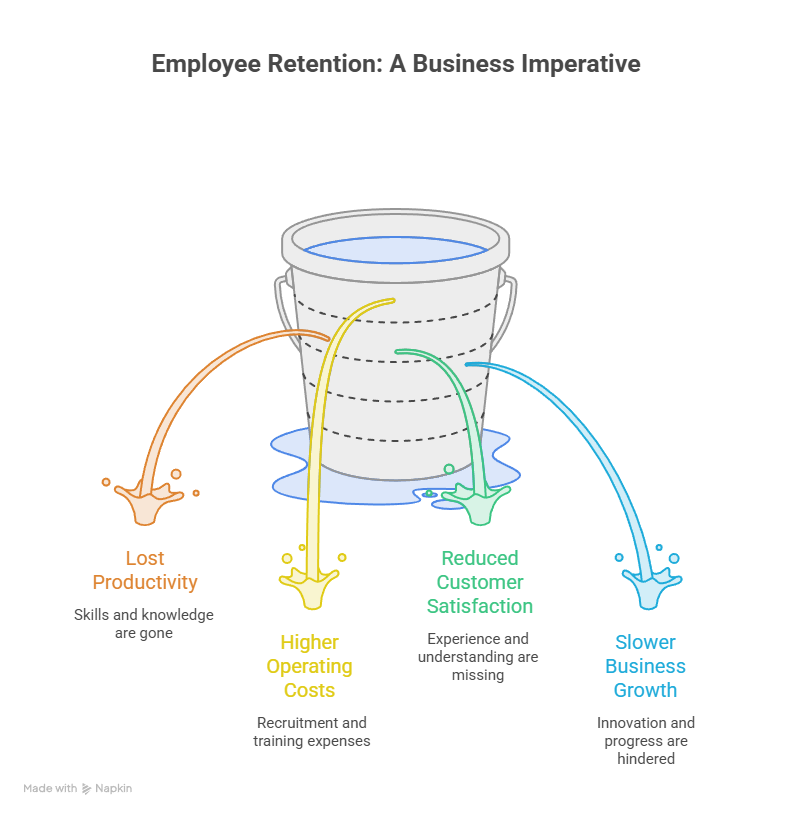
For this reason, employee retention should be viewed as a strategic investment rather than simply a human resources initiative. Businesses that retain talented employees benefit from greater operational stability, stronger collaboration, increased efficiency, and sustained profitability.
One of the most effective yet frequently overlooked employee retention strategies is providing regular salary reviews and minimum compensation increases every one to two years for employees who consistently meet or exceed performance expectations. This approach serves two important purposes: helping employees keep pace with inflation and preserving the valuable institutional knowledge they develop over time.
Why Employee Retention Matters
Every employee who remains with an organization contributes more than their daily work. Over time, they gain experience that allows them to perform tasks more efficiently, solve problems faster, strengthen customer relationships, and identify opportunities for continuous improvement.
As employees grow within the company, they develop a deeper understanding of workflows, company culture, operational systems, customer expectations, and business objectives. This accumulated knowledge becomes increasingly valuable and difficult to replace.
Organizations with high employee retention typically experience:
- Higher productivity
- Lower recruitment costs
- Greater customer satisfaction
- Stronger teamwork
- Better operational consistency
- Increased profitability
- Higher employee engagement
- Improved workplace culture
Retaining experienced employees creates a stable foundation that supports long-term business growth.
Competitive Compensation Supports Employee Retention
One of the most practical ways to retain talented employees is by ensuring compensation remains competitive over time.
Inflation gradually reduces purchasing power. Even moderate annual inflation increases the cost of housing, transportation, healthcare, utilities, groceries, and other everyday expenses.
When salaries remain unchanged for several years, employees may feel that their financial situation is declining despite working just as hard—or even harder—than before.
Providing regular salary increases demonstrates that leadership recognizes both employee contributions and changing economic conditions.
Employees who feel valued are generally more engaged, motivated, and committed to the organization’s long-term success.
Rather than viewing salary adjustments as an expense, forward-thinking leaders recognize them as an investment in workforce stability and business continuity.
Inflation Impacts Employee Motivation
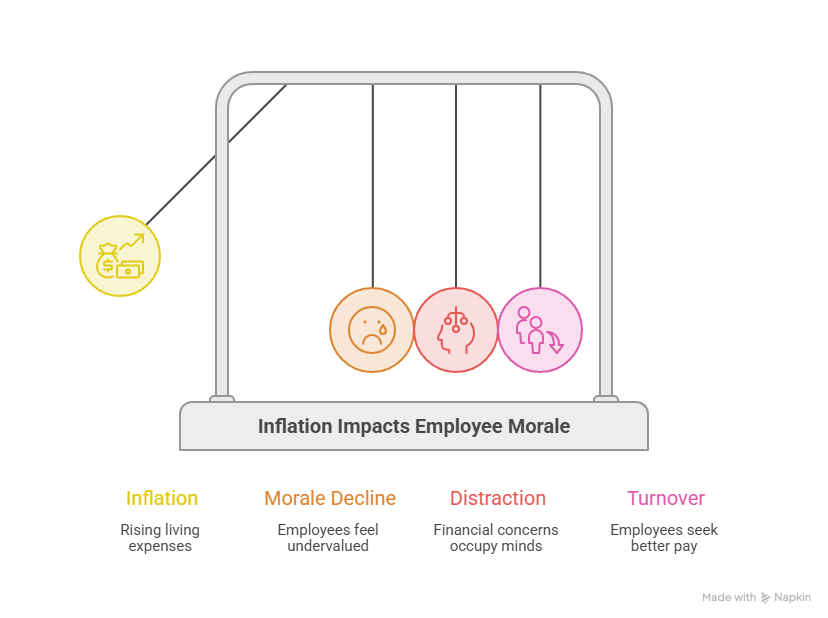
Inflation affects every employee regardless of industry or position.
As living expenses continue to rise, employees naturally compare their compensation with the increasing cost of maintaining their standard of living.
When organizations fail to acknowledge these economic realities, employee morale often begins to decline.
Employees may become distracted by financial concerns, seek additional employment, or begin exploring opportunities with competing organizations.
A modest annual or biannual salary review helps maintain trust, reinforces employee loyalty, and allows individuals to remain focused on delivering exceptional performance rather than worrying about financial pressures.
Institutional Knowledge Is One of a Company’s Greatest Assets
Perhaps the greatest value experienced employees provide is their institutional knowledge.
Institutional knowledge includes everything employees learn that cannot easily be documented in procedures or training manuals.
Examples include:
- Customer preferences
- Internal workflows
- Problem-solving techniques
- Supplier relationships
- Company culture
- Operational shortcuts
- Industry experience
- Historical decision-making
- Cross-department collaboration
After two or more years with an organization, employees develop insights that significantly improve efficiency and decision-making.
This knowledge enables them to anticipate problems before they occur, resolve issues more quickly, and contribute ideas that improve business performance.
Replacing this level of experience is far more difficult than replacing a job title.
The Hidden Cost of Employee Turnover
Many organizations underestimate the true cost of losing experienced employees.
Employee turnover extends far beyond recruitment expenses.
Hidden costs often include:
- Advertising open positions
- Recruitment agency fees
- Interview time
- Background checks
- Onboarding costs
- Initial training
- Reduced productivity
- Management supervision
- Temporary staffing shortages
- Lower customer satisfaction
- Lost business opportunities
Industry research consistently shows that replacing experienced employees can cost anywhere from 25% to more than 100% of an employee’s annual salary, depending on the position and industry.
These costs frequently exceed the investment required to retain valued employees through competitive compensation and professional development.
New Employees Need Time to Reach Full Productivity
Even highly qualified new employees require time to become fully effective.
Learning company procedures, understanding internal systems, building relationships, and gaining confidence often takes six to twelve months—or longer for specialized positions.
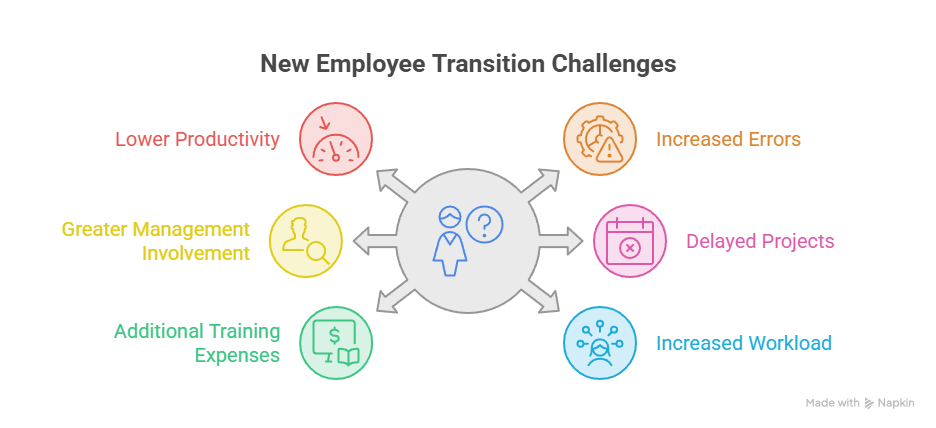
During this transition period, businesses frequently experience:
- Lower productivity
- Increased operational errors
- Greater management involvement
- Delayed projects
- Additional training expenses
- Increased workload for existing employees
These temporary disruptions can significantly affect profitability, customer experience, and overall team performance.
Retaining experienced employees minimizes these risks and provides greater operational consistency.
Employee Retention Strengthens Company Culture
Long-term employees help create a positive workplace culture by mentoring newer team members, reinforcing organizational values, and maintaining high performance standards.
Experienced employees often become informal leaders who influence teamwork, collaboration, and communication.
Organizations with strong employee retention typically experience:
- Higher employee engagement
- Greater trust among teams
- Improved collaboration
- Better communication
- Increased accountability
- Higher morale
Stable teams build stronger relationships internally and with customers, resulting in improved business performance.
Additional Ways to Improve Employee Retention
Competitive salaries are only one part of an effective employee retention strategy.
Organizations that successfully retain talented employees also invest in:
- Career development opportunities
- Leadership training
- Regular performance feedback
- Employee recognition programs
- Flexible work arrangements where appropriate
- Clear career advancement pathways
- Positive workplace culture
- Meaningful work
- Strong leadership
- Ongoing professional development
Employees are more likely to remain with organizations where they feel appreciated, challenged, and supported.
Create a Long-Term Retention Strategy
Business leaders should proactively develop employee retention plans instead of reacting after valuable employees resign.
Effective retention strategies include:
- Reviewing salaries annually
- Measuring employee engagement
- Conducting regular career discussions
- Identifying future leaders
- Providing ongoing coaching
- Recognizing outstanding performance
- Investing in continuous learning
- Monitoring employee satisfaction
A proactive approach significantly reduces turnover while strengthening organizational performance.
Investing in People Creates Sustainable Growth
Successful organizations recognize that their greatest competitive advantage is their people.
Rather than continuously replacing experienced staff, high-performing businesses focus on developing, rewarding, and retaining the people who already understand the organization’s vision and contribute to its success.
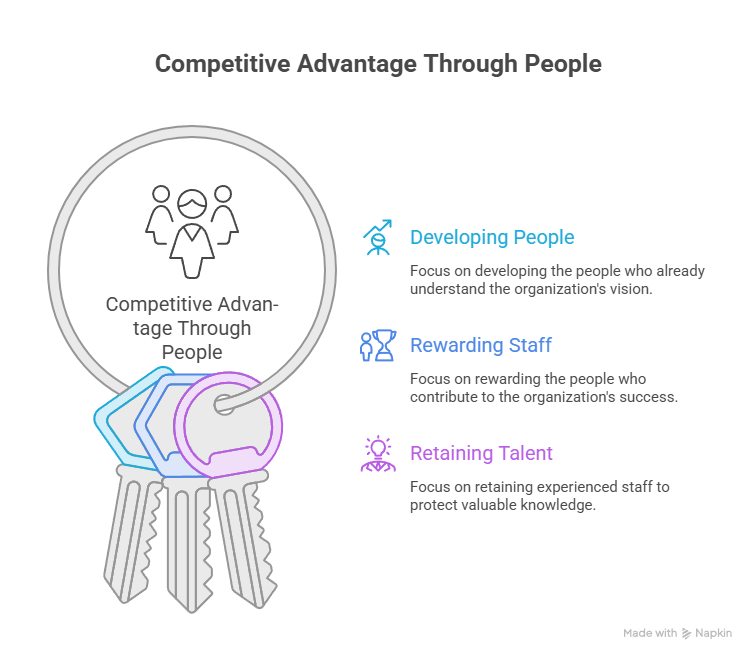
This investment produces measurable returns through increased productivity, stronger collaboration, higher morale, and sustained profitability.
Retaining talented employees protects valuable knowledge, improves operational efficiency, reduces unnecessary hiring costs, and creates stronger customer relationships.
Final Thoughts
Employee retention is far more than a compensation decision—it is a strategic business decision that directly influences long-term success.
Providing regular salary reviews, recognizing employee contributions, investing in professional development, and preserving institutional knowledge all contribute to a stronger, more resilient organization.
Businesses that retain experienced employees reduce turnover costs, improve operational performance, strengthen workplace culture, and position themselves for continued growth.
In today’s competitive business environment, retaining talent is no longer optional—it is one of the smartest investments an organization can make.
Frequently Asked Questions
1. Why is employee retention important?
Employee retention helps businesses maintain experienced staff, reduce hiring costs, preserve institutional knowledge, improve productivity, and create a stable workplace culture. Retaining skilled employees also strengthens customer relationships and supports long-term business growth.
2. How do salary increases improve employee retention?
Regular salary increases help employees keep pace with inflation, demonstrate appreciation for their contributions, and improve job satisfaction. Competitive compensation encourages employees to remain with the company rather than seeking opportunities elsewhere.
3. What is institutional knowledge?
Institutional knowledge refers to the experience, insights, relationships, and practical understanding employees develop while working within an organization. This knowledge often includes internal processes, customer preferences, problem-solving techniques, and operational expertise that cannot easily be replaced.
4. What are the costs of employee turnover?
Employee turnover can result in recruitment expenses, onboarding costs, lost productivity, training time, reduced customer satisfaction, increased management workload, and delays in business operations. In many cases, replacing an experienced employee costs significantly more than retaining them.
5. What are the best strategies for retaining talented employees?
Effective employee retention strategies include offering competitive compensation, providing career development opportunities, recognizing employee achievements, creating a positive workplace culture, investing in leadership development, offering regular feedback, and supporting employees’ long-term professional growth.
If you’d like to strengthen your team and improve employee retention, schedule a complimentary Business Consultation and Analysis with Vida Puodziunas by calling 813-906-0477. Together, we’ll help you build a business where both your people and your profits can thrive.