How to Build a High-Performance Team That Drives Business Growth
One extraordinary individual rarely builds a successful business. Sustainable growth happens when leaders build a high-performance team made up of competent, motivated, and accountable people who share a common vision.
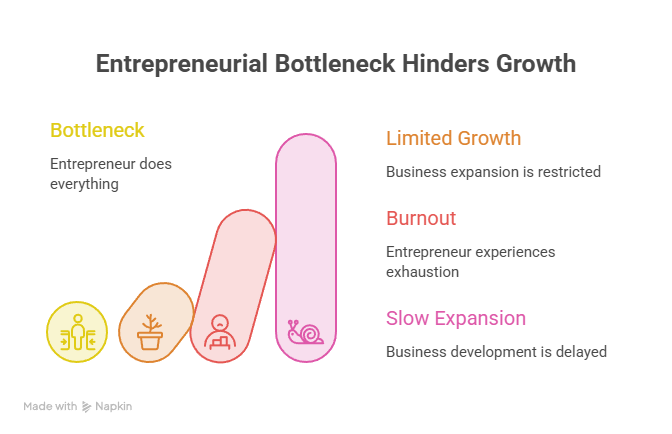
Many entrepreneurs eventually discover that they become the biggest bottleneck in their company. They try to do everything themselves because they believe no one can do it as well as they can. While this may work in the early stages of a business, it eventually limits growth, creates burnout, and slows expansion.
Great organizations are built by leaders who know how to attract talented people, nurture their abilities, and create opportunities for everyone to thrive.
Why Building a High-Performance Team Matters
Every growing business reaches a point where the owner’s personal effort is no longer enough.
To continue expanding, you need people who can:
- Solve problems independently.
- Take ownership of responsibilities.
- Lead projects.
- Improve systems.
- Serve customers exceptionally well.
- Develop other team members.
A high-performance team increases productivity, strengthens company culture, and allows the business to grow beyond the owner’s daily involvement.
Competence Is More Valuable Than Ego
One of the most important leadership lessons is learning to surround yourself with people who are more capable than you in specific areas.
Many leaders feel threatened by highly skilled employees. Great leaders do the opposite.
They intentionally hire experts because they understand that specialized talent strengthens the entire organization.
For example:
- Hire sales professionals who excel at closing business.
- Hire financial experts who understand accounting and cash flow.
- Hire operations specialists who improve systems and efficiency.
- Hire marketing professionals who understand customer acquisition.
This lets the business owner focus on vision, leadership, and growth instead of trying to master every discipline.
The Smartest Person in the Room Doesn’t Need to Prove It
Being knowledgeable is valuable. Constantly proving you’re the smartest person in the room is not.
Strong leaders recognize others’ abilities and create an environment where expertise is respected.
A great executive:
- Listens before speaking.
- Gives credit generously.
- Acknowledges people’s strengths.
- Encourages ideas from every level of the organization.
- Avoids criticizing people publicly.
- Focuses on improving performance instead of attacking personalities.
People perform better when they feel respected for what they do well.
Focus on Strengths While Developing Weaknesses
Every employee has strengths and areas for improvement.
Effective team development begins by identifying both.
Build Around Strengths
Ask questions like:
- What does this person do exceptionally well?
- Where do they naturally perform with confidence?
- What responsibilities energize them?
Assign work that aligns with those strengths whenever possible.
Improve Weaknesses Through Training
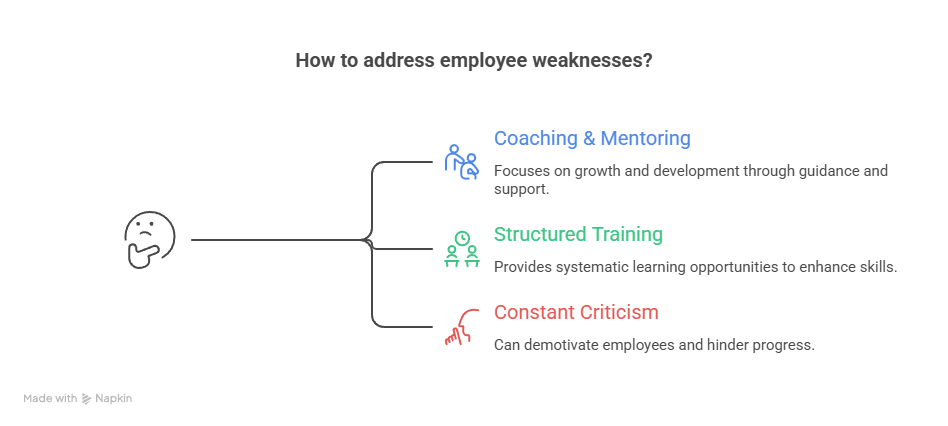
Address weaknesses through coaching, mentoring, and structured training—not constant criticism.
A productive culture says:
“Let’s help you become better.”
instead of:
“You’re not good enough.”
Characteristics of a High-Performance Team
Successful teams tend to share several important qualities.
Accountability
Team members keep their commitments and communicate when obstacles arise.
Competence
People continuously improve their knowledge and skills.
Initiative
Employees identify opportunities and solve problems without waiting for instructions.
Collaboration
Ideas are shared openly, and departments work together.
Trust
People feel safe contributing ideas and taking ownership.
Continuous Learning
The team never stops developing professionally.
These characteristics create long-term organizational strength.
How to Attract Competent Employees
Highly skilled professionals often have options.
To attract and retain them, businesses need more than competitive salaries.
1. Create Opportunities for Growth
People want careers, not just jobs.
Show employees a clear pathway toward leadership and greater responsibility.
2. Invest in Executive Training
Ongoing leadership and professional development signal that the company is invested in employees’ futures.
3. Share the Vision
People are more engaged when they understand where the company is going and how their work contributes to that mission.
4. Encourage Innovation
Let employees contribute ideas and improve systems without fear of criticism for every unsuccessful attempt.
5. Recognize Excellence
Recognition builds motivation and reinforces productive behavior.
Give Team Players Ownership
Employees become more engaged when they feel ownership over their work.
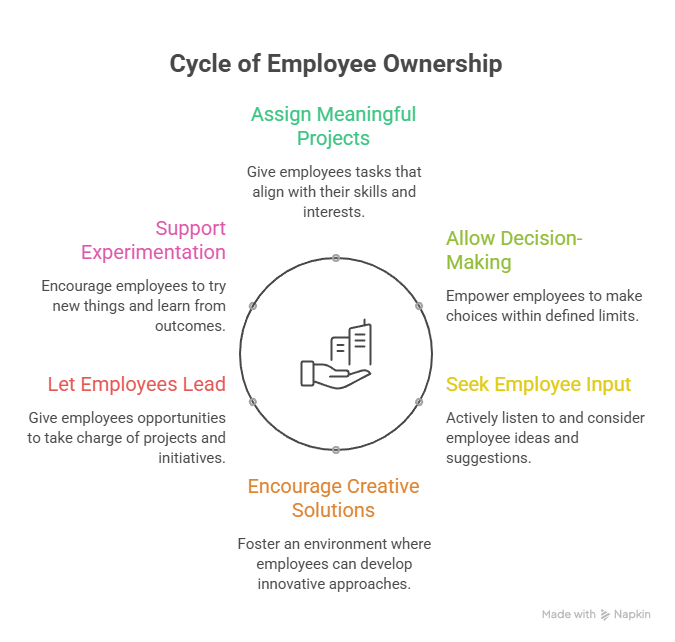
Leaders can encourage ownership by:
- Assigning meaningful projects.
- Allowing decision-making within clear boundaries.
- Asking for employee input.
- Encouraging creative solutions.
- Letting employees lead initiatives.
- Supporting responsible experimentation.
Ownership creates engagement, and engagement improves performance.
Build a Culture of Continuous Team Development
The best companies treat learning as part of everyday work.
A strong team development program includes:
Structured Onboarding
Help new employees understand systems, expectations, and culture.
Skills Training
Provide ongoing technical and professional development.
Leadership Development
Prepare future supervisors and executives before promotions occur.
Mentorship
Pair experienced leaders with emerging talent.
Certifications and Internships
Create measurable learning milestones that build confidence and competence.
Continuous learning helps businesses adapt as markets and customer expectations evolve.
Measure Performance With Clear Metrics
People improve when expectations are measurable.
Track performance using meaningful Key Performance Indicators (KPIs), such as:
- Sales performance.
- Customer satisfaction.
- Project completion rates.
- Quality standards.
- Productivity.
- Response times.
- Employee development milestones.
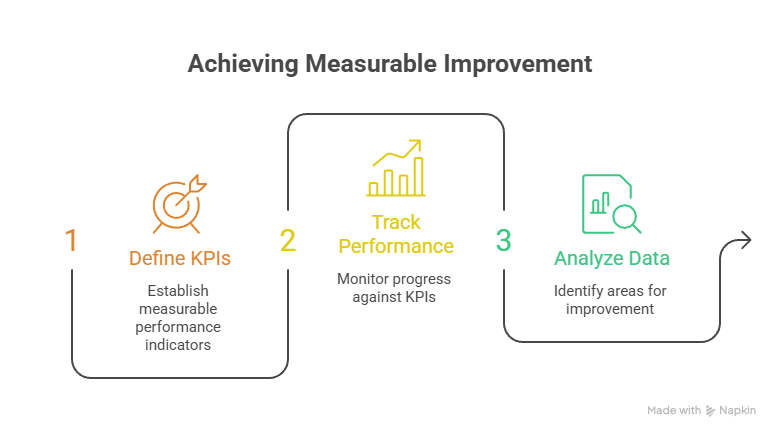
Metrics create clarity and reduce subjective evaluations.
Measure behaviors that contribute to company goals—not personalities.
Reward Competence, Not Just Longevity
Recognition should reflect contribution and results.
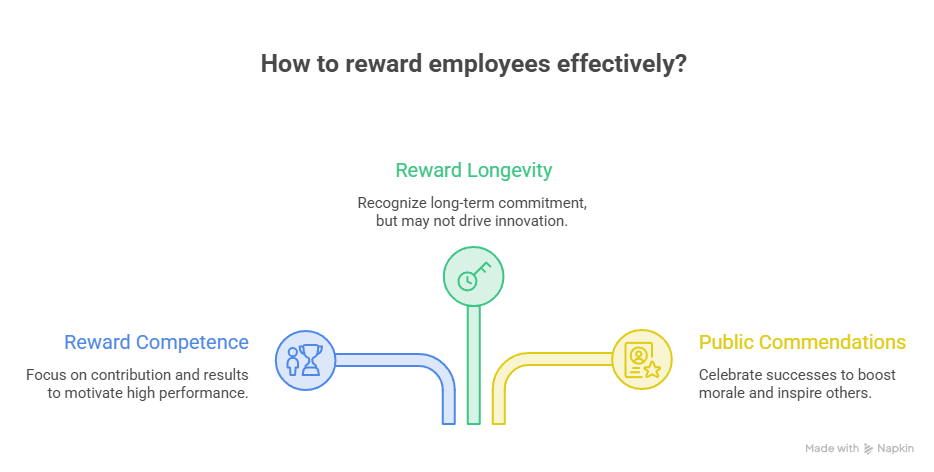
Effective ways to reward performance include:
Public Commendations
Celebrate employees who complete major projects, exceed targets, or demonstrate exceptional leadership.
Performance-Based Raises
When employees create measurable value, recognize it proactively instead of waiting for them to request compensation.
Career Advancement
Promote people based on competence, accountability, and leadership potential.
New Opportunities
Give high performers challenging projects that help them grow.
Recognition encourages others to pursue excellence.
Don’t Let Personality Distract From Performance
Every team includes different personalities.
Successful leaders avoid making personality the primary focus.
Instead, evaluate:
- Performance.
- Integrity.
- Accountability.
- Collaboration.
- Competence.
- Willingness to learn.
- Contribution to company goals.
People don’t need identical personalities to become exceptional contributors.
Address Low Performance Quickly
Ignoring poor performance affects the entire team.
When someone consistently underperforms:
- Clarify expectations.
- Provide training.
- Offer coaching.
- Measure improvement.
- Give constructive feedback.
- Establish reasonable timelines.
When an employee continues to fall short of expectations after receiving appropriate support, transitioning to a role that better matches their strengths can create a better outcome for everyone.
Protecting high performers is part of building a strong culture.
Build a Business of Accomplishment, Not Just Income
The strongest organizations evolve beyond simply making money.
They become places where people:
- Build careers.
- Develop leadership skills.
- Achieve meaningful goals.
- Create outstanding products and services.
- Contribute to something larger than themselves.
When employees see purpose in their work, engagement increases, and workplace drama often decreases.
A culture built around accomplishment attracts people who want to grow.
A Practical Framework for Building a High-Performance Team
Use this framework to strengthen your organization.
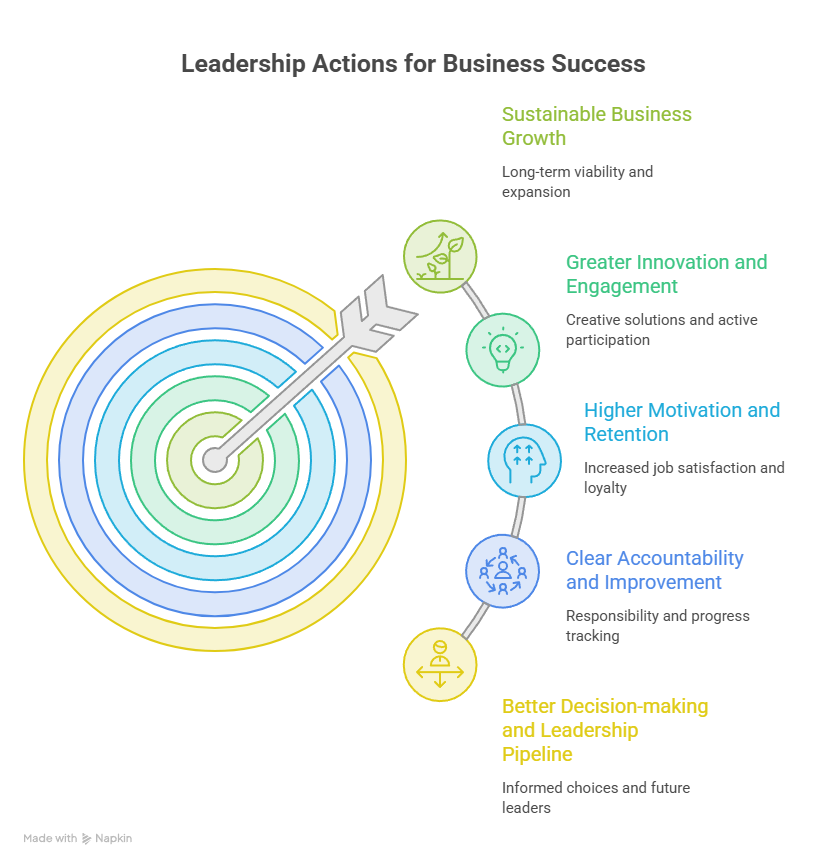
| Leadership Action | Business Benefit |
| Hire for competence and character. | Stronger long-term performance. |
| Develop employees continuously. | Better decision-making and leadership pipeline. |
| Measure meaningful KPIs. | Clear accountability and improvement. |
| Recognize outstanding performance. | Higher motivation and retention. |
| Encourage ownership and initiative. | Greater innovation and engagement. |
| Promote future leaders from within. | Sustainable business growth. |
Final Thoughts
Building a high-performance team is one of a business leader’s greatest responsibilities. It takes competent people, purposeful development, ongoing investment in the team, and a culture where accountability, learning, and growth are part of the standard.
The best leaders understand they do not need to be the smartest person in every room. Instead, they build rooms filled with talented people whose combined strengths are greater than their own.
When your business becomes a place where people grow, contribute, and accomplish meaningful goals, expansion becomes much easier. Competent people attract other competent people, leadership becomes stronger, and the organization gains the capacity to achieve far more than one individual ever could.
Frequently Asked Questions About Building a High-Performance Team
What is a high-performance team?
A high-performance team is a group of people who consistently achieve goals through accountability, competence, collaboration, initiative, and a shared commitment to the organization’s vision.
Why is team development important for business growth?
Team development helps employees improve their skills, confidence, and leadership abilities. As employees become more capable, businesses become less dependent on the owner and better equipped for long-term growth.
Should business owners hire people who are smarter than they are?
Yes. Successful business owners often hire specialists who have stronger expertise in areas such as sales, finance, marketing, technology, or operations. This allows leaders to focus on strategy and expansion.
How do you identify competent employees?
Look for people who consistently keep commitments, solve problems, learn quickly, communicate well, take initiative, and produce measurable results rather than relying only on experience or personality.
How can leaders motivate high-performing employees?
Provide meaningful work, recognize achievements, offer opportunities for advancement, invest in training, encourage project ownership, and create a clear vision for future growth.
What role do KPIs play in building a strong team?
Key Performance Indicators (KPIs) set measurable performance expectations. They help leaders evaluate results objectively, recognize improvement, and identify areas that need coaching or training.
How should leaders address poor performance?
Start with clear expectations, coaching, training, and regular feedback. Measure improvement over time and provide support before making employment decisions. The goal is improvement whenever possible.
Why is recognizing employee achievements important?
Recognition reinforces positive behavior, improves morale, increases engagement, and helps retain talented employees who consistently contribute to the company’s success.
How can businesses create future leaders?
Develop leadership skills through mentoring, executive training, delegated responsibilities, project ownership, and opportunities for employees to make decisions and lead teams.
What is the biggest mistake leaders make when building a team?
One of the biggest mistakes is trying to do everything themselves instead of building a team of capable people. Sustainable growth happens when leaders trust, develop, and empower competent individuals throughout the organization.
Questions? Vida Puodziunas is available at 813-906-0477. We also offer a free business analysis if you’d like an outside perspective on how your business could expand.