
If I had to name the single most useful thing to understand before starting a business — or really, before pursuing anything worthwhile — it would be this: lag time. Understanding the lag time in business is one of the best preparations you can give yourself, because it explains the gap that breaks so many people before they ever reach success.
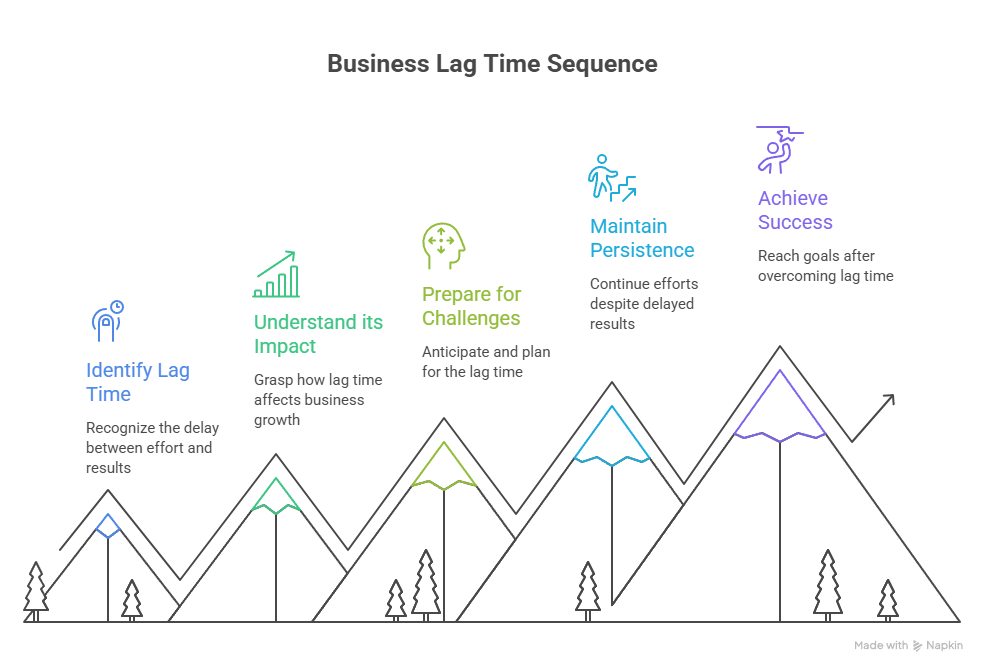
Most people want instant gratification the moment they decide on a goal. They’re impatient. And far too often, they quit just before success arrives, or they settle for far less than they could have had — simply because they didn’t understand the delay built into nearly everything worth doing.
What Is Lag Time?
A lag is a delay. It’s the unpredictable gap between the action you take and the result you’re hoping for. Almost everything meaningful contains one.
Consider a simple life plan: “I’m going to meet the right person, get married, have a long and happy life together, and raise two or three great kids.” It sounds straightforward — but there may be a significant lag in finding the right person to begin with.
The same is true in business. When you launch a venture and work to get it off the ground — getting your marketing to bite and the first sales to come in — you may face a long and very uncomfortable lag before anything clicks. Learning how to stay motivated when starting a business is largely about learning to survive this exact stretch.
The Discomfort of Uncertainty
Lag time varies from one activity to another, and that unpredictability breeds uncertainty — especially when you’re starting something new.
That discomfort of uncertainty is what breaks most people. In the early days of a venture, cash flow may be negative, leads trickle in slowly, and the “overnight success” stories you hear start to feel like fiction. Eventually you begin to doubt the decision itself.
The pattern shows up everywhere:
- Fitness: weeks of effort before any visible change in the mirror.
- Skill-building: long stretches of practice before competence appears.
- Relationships: months pass before real trust and confidence take root.
The lag creates a kind of fog. Your improvements are so slight that they look invisible — even though you’ve been working incredibly hard. This is exactly why understanding lag time is essential preparation for business and for life. It separates the people who finish what they start from the people who don’t.
The Executive Mindset: Planning for the Lag Instead of Fearing It
A technician sees only the immediate tasks in front of them. Someone with an executive mindset for entrepreneurs sees the underlying systems that need building — and has a far more realistic sense of what success will actually take and how long it will take.
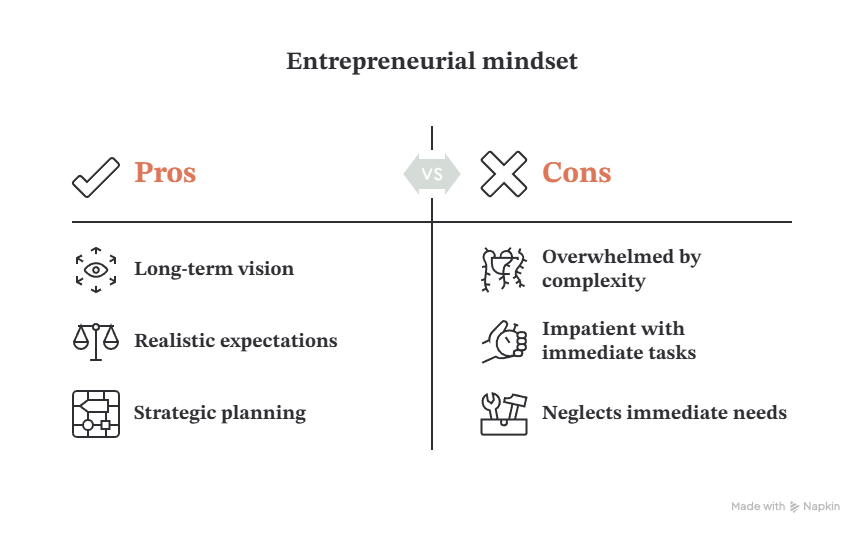
Here’s the key distinction: successful, executive-minded people don’t try to eliminate lag. They plan for it, measure their way through it, and persist with disciplined action to squeeze as much time out of it as possible. Here’s how.
1. Set Clear Leading Indicators
Instead of fixating on lagging results like monthly revenue, track the leading activities you can actually control: prospects contacted, marketing pieces distributed, systems documented, skills practiced. These daily and weekly numbers give you the confidence to keep going when the big results haven’t arrived yet.
In my years managing revenues and profits in a public company, the teams that consistently hit 30% net targets were the ones who watched the right numbers every week. They didn’t panic during slow months, because the data showed the pipeline was building even when sales hadn’t caught up yet.
2. Build Buffers and Systems Early
Expect the lag, and prepare for it financially, mentally, and operationally. Build reserves, even tiny ones at first. Document your processes so others can eventually share the load.
Delegation isn’t a luxury here — it’s how you survive the lag without burning out. The “Power Boost” programs I developed in the 1990s taught exactly this: shift from hands-on technician work to executive oversight, so the business can keep growing even when immediate sales are slow.
3. Cultivate the Right Mindset
Lag time tests your certainty and tempts you into self-doubt. It reveals whether you can operate from an analytical viewpoint instead of an emotional one.
Think of it like racing a car: once you’ve committed to overtaking on a fast corner and visualized the line you’re going to take, you have to follow through — hesitate halfway and you’ll crash. Impatience and quitting produce the opposite of progress: repeated restarts with no finishes, mounting confusion, and a long ledger of incomplete actions.
Across decades of consulting, training, and mediation, I’ve seen this play out again and again. The entrepreneurs who succeed aren’t necessarily smarter or luckier. They’re the ones who take things through to completion. They treat lag time as part of the natural order — not as a personal failure.
Real-World Examples of Lag Time at Work
People who quit at the first rough patch never reach their goals. In business, the principle is unmistakable: many great companies looked like outright failures for their first 12 to 36 months. Marketing takes time to gain traction. Word-of-mouth builds slowly. Trust with customers and team members compounds gradually, not overnight.
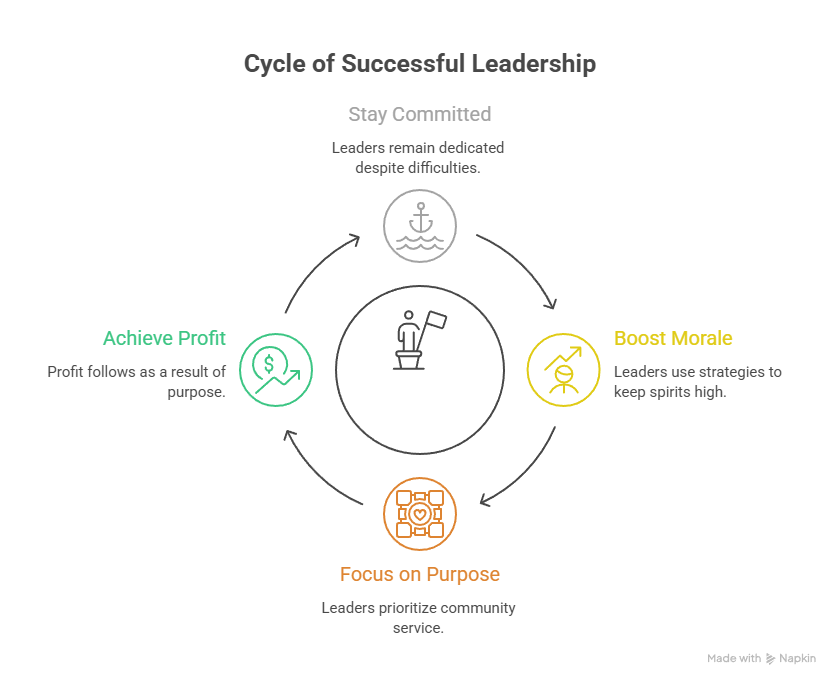
In the manufacturing businesses and medical offices I’ve worked with, the most successful locations were run by leaders who stayed committed through seasonal dips, economic uncertainty, and staff turnover. They used statistics, games, and rewards to keep morale high while the lag period played out. They focused on purpose first — serving their community well — and profit followed.
Practical Ways to Master Lag Time in Business
Understanding lag time is one thing; managing it well is another. Here are five practical strategies.
Study and duplicate proven paths. Read the stories of people who persisted. Build your own “glossary” of terms for the game you’re playing, so you don’t lose momentum to confusion or misapply good advice you didn’t fully understand.
Use statistics. Focus your effort on the vital few actions that actually drive results, and measure them daily and weekly. What gets measured gets managed.
Build support networks. Partnerships, mentors, and teams can shorten the lag through shared knowledge and accountability. Resolve differences quickly so energy stays on production instead of friction.
Celebrate progress, not just outcomes. Mark the milestones inside the lag period — first customer, first profitable month, first task you delegated that came back done well. These small wins keep momentum alive when instant gratification is nowhere to be found.
Maintain a balanced exchange. Give value consistently — to customers, your team, your family. The return often arrives after a delay, but it does arrive for those who keep their dealings clean, fair, and ethical.
Why Mastering Lag Time Changes Everything
There’s a deeper payoff to all this. Once you internalize lag time, fear loses much of its grip on you. A slow month stops feeling like proof of failure and starts looking like a normal, expected phase of the curve. You stop making panicked decisions — slashing prices, abandoning a working strategy, chasing the next shiny idea — that actually lengthen the lag.
In other words, understanding lag time doesn’t just help you endure the wait. It helps you shorten it, because you stop sabotaging your own progress out of impatience.
Conclusion: Hold the Line and Push Through
Prepare yourself by expecting the lag. Plan for it. Measure the statistics of every part of your progress as you move through it. And refuse to quit right before success arrives — which is precisely when most people give up.
The difference between successful and unsuccessful people across every walk of life is simple: the successful ones keep pushing forward despite the hardships and delays. They understand lag time and use it to their advantage. You can too.
So don’t sit and wait for the lag time to pass. Get on with the other productive work that needs doing anyway — and let the results catch up to your effort, as they inevitably will for those who hold the line.
Next Steps:
Very successful business starts with the right strategy, systems, and guidance. If you have questions about this article or would like to discover opportunities to improve your business, we invite you to schedule a Business Analysis and Consultation with our team.
Contact Vida or Victor today at 813-906-0477 to schedule your Business Analysis and Consultation and learn how SBM Business Centers can help your business reach its full potential.